
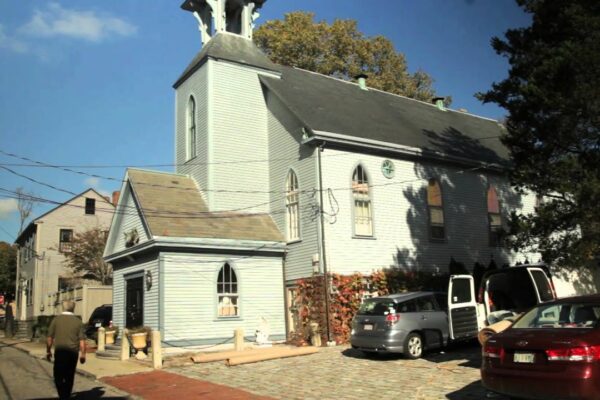
Is it possible to establish a home church in Rhode Island?

Establishing a Home Church in Rhode Island: Exploring the Feasibility Rhode Island residents seeking to establish a home church may wonder about the legal and practical aspects involved. While there are no explicit restrictions, it is crucial to understand zoning laws and compliance requirements. This article examines the possibilities and challenges of creating a home church in Rhode Island, shedding light on the necessary steps and potential considerations involved.

Read More

What is the historical account of the Episcopal Church in Narragansett, Rhode Island?

The historical account of the Episcopal Church in Narragansett, Rhode Island, traces back to the 18th century when the Church of England established its presence in the area. The church played a significant role in shaping the religious landscape of the region and attracting prominent figures. This article explores the roots, growth, and impact of the Episcopal Church in Narragansett, shedding light on its historical significance.

Read More

Was there an established church in Rhode Island?

Rhode Island, known for its commitment to religious freedom, notably did not have an established church. Unlike many other colonies in colonial America, Rhode Island’s founders believed in the separation of church and state. The absence of an established church allowed for a diverse religious landscape to flourish, attracting settlers from various denominations. This unique approach to religious liberty set the stage for Rhode Island to become a haven for those seeking freedom of conscience and worship.

Read More

Which type of established church did Rhode Island provide support to?

Rhode Island, known for its commitment to religious freedom, took a unique approach when it came to supporting established churches. Unlike other colonies, Rhode Island did not provide any exclusive or direct support to a specific type of established church. Instead, it allowed for a diverse range of religious practices and beliefs, ensuring that no one denomination held significant influence or received state funding. This policy, founded on the principle of separation of church and state, fostered a climate of religious tolerance and freedom, making Rhode Island a beacon of religious diversity in colonial America.

Read More