
Is it legal to have tiny homes in Rhode Island?

Tiny homes have become a popular housing trend across the United States, but what about Rhode Island? Many wonder if these compact dwellings are legally permissible in the state. According to current regulations, zoning laws determine the permissibility of tiny homes in Rhode Island. While some areas may allow them as accessory dwelling units, others have stricter regulations. Navigating the legal landscape can be complex, requiring careful research and adherence to local ordinances.


Read More

For whom was Rhode Island founded?

Rhode Island, the smallest state in the United States, was founded with a specific purpose in mind. It was established by Roger Williams in 1636 as a safe haven for religious dissidents, particularly those seeking freedom from the strict Puritanism of Massachusetts Bay Colony. With a strong emphasis on religious tolerance and separation of church and state, Rhode Island became a haven for individuals of various faiths and beliefs. Its founding principles laid the groundwork for the American ideal of religious freedom, making it a significant milestone in the history of religious liberty in the New World.

Read More

What was the reason for Rhode Island’s non-participation in the Philadelphia Convention?

Rhode Island, a small but significant state during the time of the Philadelphia Convention, chose not to participate in this historic event. The primary reason behind their non-participation was the state’s deep-rooted fear of losing its sovereignty. Rhode Island, with its strong commitment to individual liberties and democratic ideals, believed that the proposed Constitution would grant excessive power to the central government, eroding the rights and autonomy of the states. This fear, coupled with concerns over economic interests and slavery, led Rhode Island to abstain from sending delegates to the convention, highlighting the state’s commitment to protect its independence and preserve the rights of its citizens.

Read More

What were the reasons for Rhode Island’s refusal to ratify the constitution?

Rhode Island’s refusal to ratify the constitution was motivated by several key reasons. Firstly, the state feared the centralization of power in a strong federal government, as it had fought for its own independence from British rule. Additionally, concerns were raised over the lack of a Bill of Rights, potentially endangering individual liberties. Lastly, Rhode Island’s economy heavily relied on its maritime trade, and some feared that the proposed constitution would negatively impact their commercial interests.

Read More

What was the reason behind Roger Williams founding Rhode Island?

Roger Williams founded Rhode Island in 1636 for religious freedom and separation of church and state. As a dissenter from the Puritan beliefs, Williams sought refuge where individuals would be free to practice their own faith without interference. Williams’ vision of a tolerant society led to the establishment of Rhode Island, a haven for religious minorities and a crucial step towards the development of religious liberty in America.

Read More

Is it possible to find hairdressers open in Rhode Island?

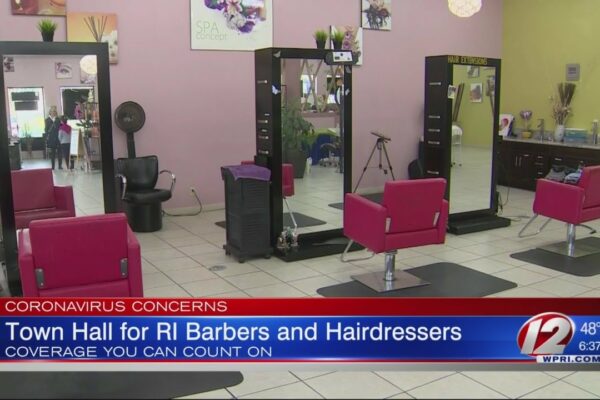
In Rhode Island, many individuals may find themselves wondering if it is possible to find hairdressers open for business. Thankfully, the answer is yes! Despite various challenges posed by the ongoing pandemic, hair salons and barbershops have adapted to the new normal and are now operating with strict safety protocols in place. Whether you are in need of a haircut, styling, or coloring, rest assured that you can find hairdressers open and ready to serve you in Rhode Island.

Read More

Is the health food store business thriving in Rhode Island?

The health food store business in Rhode Island is experiencing a notable upturn, with an increasing number of health-conscious individuals seeking natural and organic products. This trend is driven by a growing awareness of the importance of a healthy lifestyle, propelling the demand for nutritious options. Additionally, the state’s population’s inclination towards sustainable and environmentally friendly practices further supports the thriving health food industry. The market is ripe for entrepreneurs looking to tap into this lucrative and promising sector in Rhode Island.

Read More

Do hair samples comply with the legal requirements for drug testing in Rhode Island?

Hair samples are increasingly being used for drug testing in Rhode Island, but do they meet the legal requirements? According to the state’s laws, hair samples are considered a valid method of drug testing. However, employers must follow strict guidelines to ensure accuracy and reliability. These include proper collection, transportation, and testing procedures. Failure to comply with these legal requirements may lead to legal repercussions for employers. Therefore, it is crucial for employers to familiarize themselves with the regulations to ensure their drug testing practices are in compliance with Rhode Island law.

Read More

What does the state flag of Rhode Island look like?

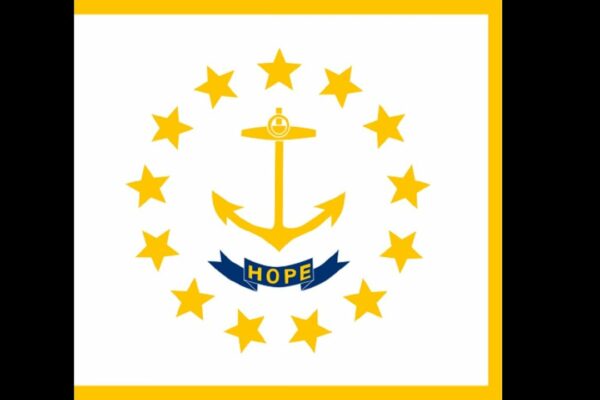
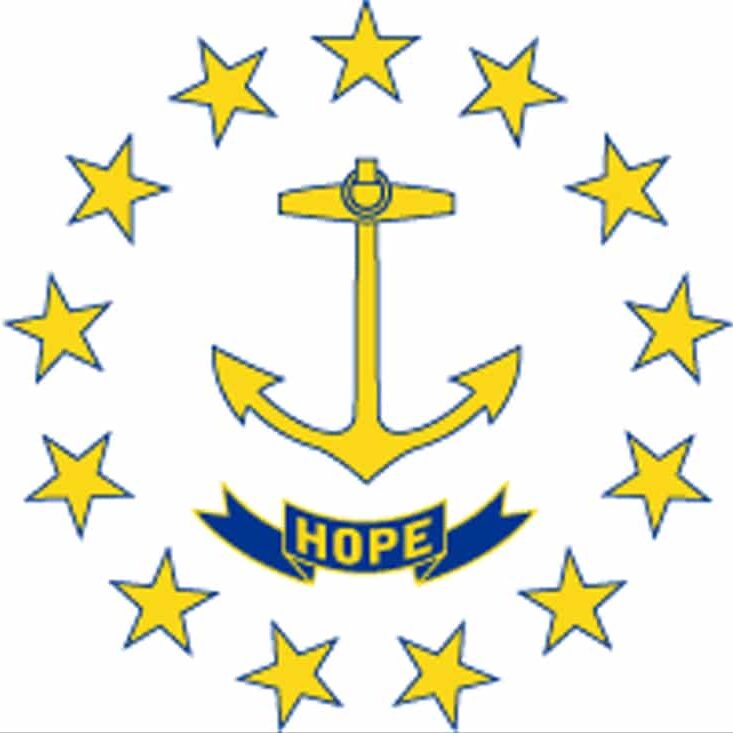
The state flag of Rhode Island features a white field with a golden anchor in the center. Above the anchor, there is a golden banner displaying the state motto “Hope.” Surrounding the anchor, there are thirteen golden stars symbolizing the original thirteen colonies. This elegant and symbolic design represents Rhode Island’s rich maritime heritage and its pivotal role in America’s founding.

Read More

What insect represents the state of Rhode Island?

The state insect of Rhode Island, officially designated in 1990, is the American burying beetle. This intriguing insect, known for its vibrant orange markings, plays a vital role in our ecosystem. However, due to habitat loss and other factors, its population has significantly declined. Understanding the significance and conservation efforts surrounding this insect allows us to appreciate Rhode Island’s unique natural heritage.

Read More