Is there a Good Samaritan law in Rhode Island?

Rhode Island’s Good Samaritan law aims to protect individuals who provide emergency assistance in good faith. Under this law, they are protected from liability for any damages resulting from their actions. However, certain conditions must be met for the law to apply. It is important to understand the specifics and limitations of the Good Samaritan law to ensure you are aware of your rights and responsibilities in emergency situations.


Read More

Is Rhode Island known for having the longest coastline?

Rhode Island, a beautiful state located in the New England region of the United States, is often believed to have the longest coastline among all the states. However, this claim is not entirely accurate. While Rhode Island boasts a remarkable coastline of approximately 400 miles, it is actually the state of Alaska that holds the title for the longest coastline, stretching over 6,600 miles. Nonetheless, Rhode Island’s picturesque and diverse shoreline remains a popular attraction for tourists and locals alike, offering stunning beaches, charming coastal towns, and a rich maritime history.

Read More

What is the pricing for medical marijuana in Rhode Island?

Medical marijuana prices in Rhode Island vary depending on multiple factors. The average price for an ounce ranges from $200 to $400, depending on the strain and potency. Additionally, patients need to consider additional costs such as doctor consultations, registration fees, and taxes. It is advisable to consult dispensaries directly for accurate pricing, as they may offer discounts or promotions.

Read More

What is the taxation procedure for railroad retirement benefits in Rhode Island?

In Rhode Island, the taxation procedure for railroad retirement benefits follows state laws and regulations. These benefits are treated as regular income and are subject to state income taxes. However, federal taxes may not be imposed on these benefits. It is crucial for individuals receiving railroad retirement benefits to understand the tax implications to ensure compliance with state tax requirements.

Read More

Is it true that Tom Brady possesses a summer residence in Rhode Island?

Tom Brady, the legendary quarterback, is known for his accomplishments on the football field, but rumors suggest he also possesses a summer residence in Rhode Island. While many speculate about this claim, it is indeed true. Brady’s summer residence in Rhode Island is a stunning coastal property, providing him a serene retreat during the offseason. This residence further highlights the allure of the state’s picturesque landscapes and its popularity among the rich and famous.

Read More

Are there red light cameras in Rhode Island?

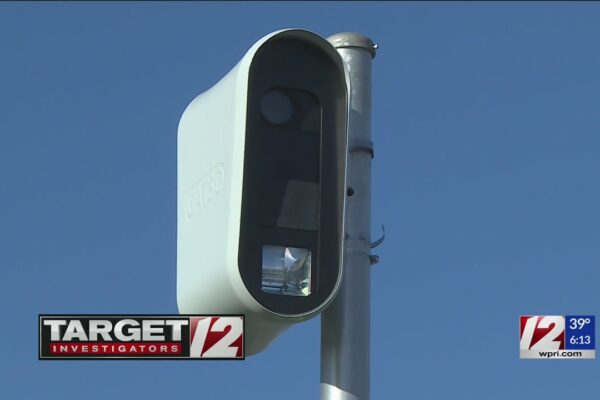
Rhode Island, the smallest state in the US, is known for its unique charm and historical landmarks. Drivers may wonder if the state employs red light cameras to enforce traffic laws. However, as of our latest research, there are currently no red light cameras installed in Rhode Island. It is essential for motorists to stay informed about local traffic regulations to ensure a safe and law-abiding driving experience in the Ocean State.

Read More

Is Spirit Airlines available for flights departing from Providence, Rhode Island?

Spirit Airlines currently operates flights departing from Providence, Rhode Island. As one of the largest low-cost carriers in the United States, Spirit offers a range of domestic and international destinations from T.F. Green Airport. Passengers can enjoy affordable fares, optional add-ons, and a no-frills experience. Whether you’re planning a business trip or a vacation, Spirit Airlines is a convenient option for those departing from Providence.

Read More

What is the source of funding for Rhode Island state colleges?

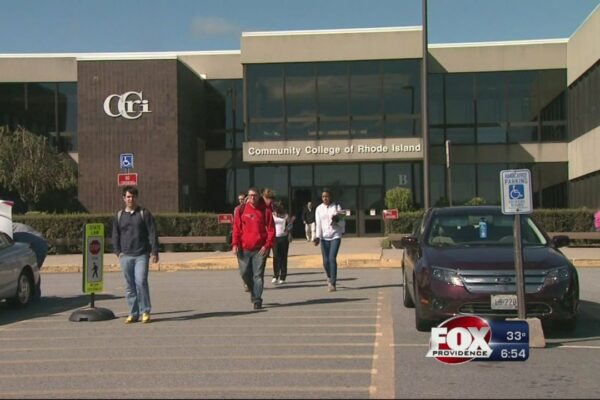
Rhode Island state colleges, including the University of Rhode Island, Rhode Island College, and the Community College of Rhode Island, receive funding from various sources. The primary source is the state government, which allocates funds from the state budget. Additionally, these institutions receive federal funding through grants and student financial aid programs. Private donations, endowments, and tuition fees also contribute to their financial resources. Ultimately, a combination of these sources helps sustain the operation and growth of Rhode Island state colleges.

Read More

Does Rhode Island use salt or sand?

Rhode Island, a small coastal state in the United States, takes winter snow and ice management seriously. When it comes to combating slippery road conditions, the state primarily relies on the use of salt rather than sand. This decision is based on the effectiveness of salt in melting ice and preventing its formation. By understanding Rhode Island’s preference for salt during winter weather events, residents can better prepare themselves for safer travels on the state’s roadways.

Read More