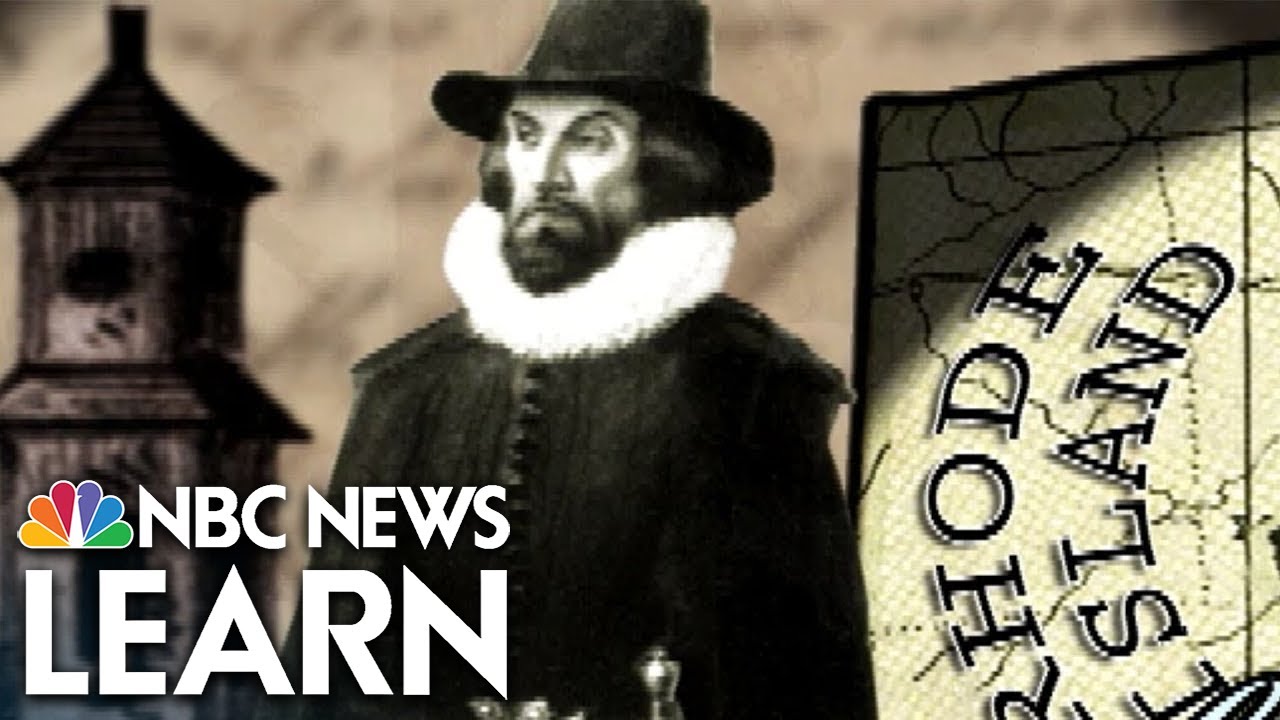
Introduction: The Origins and Settlement of Rhode Island
Rhode Island, located in the New England region of the United States, has a rich colonial history. Before European settlers arrived, the area was inhabited by several Native American tribes, including the Narragansett and Wampanoag peoples. However, it was the early European explorers who laid the foundation for the establishment of Rhode Island as a colony.
Early European Explorations of Rhode Island
The first European to explore Rhode Island was the Italian navigator Giovanni da Verrazzano in 1524. He sailed along the coastline and made note of the beautiful, natural harbors. Nearly a century later, Dutch explorer Adriaen Block visited the area and named it "Roodt Eylandt" due to the red clay found there. These early explorations sparked further interest in the region.
The Founding of Rhode Island as a Colony
Rhode Island was founded as a colony in 1636 by Roger Williams, a Puritan minister who was banished from the Massachusetts Bay Colony due to his religious beliefs. Williams sought a place where individuals could practice their faith freely, without interference from the government. He established the settlement of Providence, which became the capital of Rhode Island.
The Charter of Rhode Island: A Unique Political Experiment
In 1663, Rhode Island was granted a royal charter by King Charles II, which gave the colony a remarkable degree of autonomy. The charter established a self-governing colony with an elected governor and legislature, making Rhode Island one of the first colonies to have a democratic government. This unique political experiment laid the groundwork for the future state’s commitment to individual liberties and religious freedom.
Rhode Island’s Colonial Economy and Trade
Rhode Island’s economy during the colonial period was largely based on maritime trade. The colony’s natural harbors and proximity to the Atlantic Ocean made it an ideal location for shipbuilding and commerce. The residents of Rhode Island engaged in fishing, whaling, and the triangular trade, which involved the exchange of goods between Europe, Africa, and the New World. This trade network brought wealth to the colony and contributed to its economic growth.
Religious Freedom in Rhode Island: A Haven for Dissenters
Rhode Island became known as a haven for religious dissenters, as it welcomed individuals from various faiths who sought refuge from religious persecution. Roger Williams, the founder of the colony, championed the idea of separation of church and state and believed in religious tolerance. This commitment to religious freedom attracted many settlers, including Quakers and Jews, who found a safe haven in Rhode Island.
Relations with Native Americans in Rhode Island
Unlike some other colonies, Rhode Island had relatively peaceful relations with the Native American tribes in the region. Roger Williams established fair and respectful relationships with the Narragansett tribe, which helped maintain peace and fostered trade and cooperation. This amicable relationship allowed the colony to thrive and develop a prosperous fur trade with the Native Americans.
Rhode Island’s Role in the American Revolution
During the American Revolution, Rhode Island played a significant role in the fight for independence. The colony was known for its strong support of the revolutionary cause, and many Rhode Islanders served in the Continental Army. The Battle of Rhode Island, fought in 1778, was one of the major engagements of the war and showcased the colony’s determination to secure its freedom.
Rhode Island’s Transition from Colony to Statehood
Rhode Island remained a colony until May 29, 1790, when it became the 13th state to ratify the United States Constitution and officially joined the Union. The transition from colony to statehood marked an important milestone in Rhode Island’s history, as it solidified the colony’s status as an integral part of the new nation.
The Legacy of Colonial Rhode Island: Political and Social Impact
The colonial experience of Rhode Island left a lasting impact on the state’s political and social landscape. Rhode Island’s commitment to religious freedom and separation of church and state influenced the development of religious freedom in the United States. The colony’s democratic government and emphasis on individual liberties served as a model for future states and helped shape the American political system.
Key Figures in Rhode Island’s Colonial History
Several key figures played significant roles in Rhode Island’s colonial history. Roger Williams, the founder of the colony, was a champion of religious freedom and played a crucial role in establishing a democratic government. Anne Hutchinson, another prominent figure, also advocated for religious tolerance and was banished from the Massachusetts Bay Colony before settling in Rhode Island. Additionally, figures such as Samuel Gorton and Stephen Hopkins contributed to the colony’s development and political landscape.
Conclusion: Rhode Island’s Colonial Experience and Historical Significance
Rhode Island’s colonial experience was marked by the pursuit of religious freedom, democratic governance, and economic prosperity. The colony’s commitment to religious tolerance, as well as its unique political experiment, left a lasting legacy on the state and the nation. Rhode Island’s role in the American Revolution and its subsequent transition to statehood solidified its place in American history. Today, Rhode Island stands as a testament to the enduring impact of its colonial past.