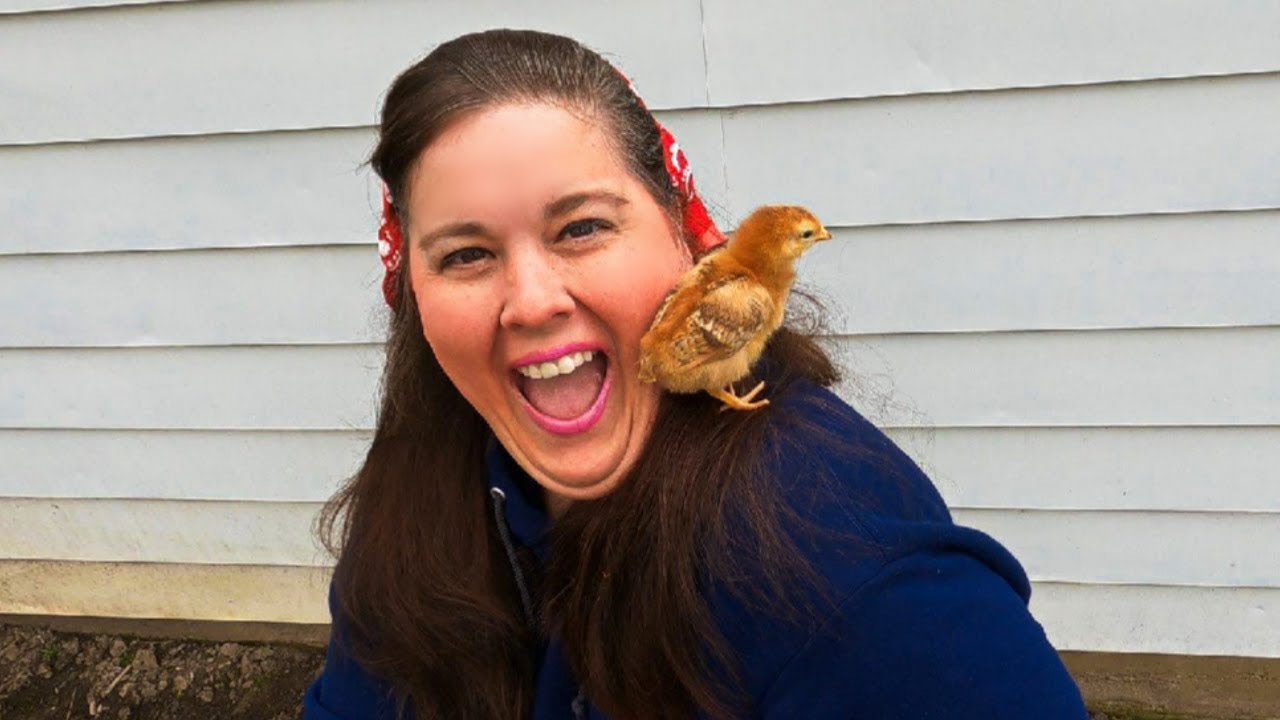
Introduction: Raising Rhode Island Red Chicks
Raising Rhode Island Red chicks can be a rewarding experience for poultry enthusiasts. These beautiful birds are known for their excellent egg-laying abilities, hardiness, and calm temperament. To ensure the healthy growth and development of these chicks, it is important to follow a series of steps that will provide them with appropriate care and environment. In this article, we will outline the essential steps for successfully raising Rhode Island Red chicks.
Step 1: Selecting Healthy Rhode Island Red Chicks
When selecting Rhode Island Red chicks, it is crucial to choose healthy individuals from reputable sources. Look for chicks that are active, alert, and free from any signs of illness or deformities. Choosing chicks that are a day or two old will ensure they are strong and have a higher chance of survival.
Step 2: Preparing a Suitable Brooder Space
Before bringing your Rhode Island Red chicks home, it is essential to create a suitable brooder space. This can be a brooder box or a sectioned-off area in a coop. Ensure the space is secure and well-ventilated, protecting the chicks from predators, drafts, and extreme temperatures. A brooder should provide enough space for chicks to move around comfortably.
Step 3: Setting Up Adequate Heat Source
Rhode Island Red chicks require a warm and cozy environment to thrive. Provide a reliable heat source, such as a heat lamp or heat plate, to maintain a temperature of around 95°F (35°C) during the first week. Gradually decrease the temperature by 5°F (2.8°C) each week until they are fully feathered and can regulate their body temperature.
Step 4: Providing Clean and Fresh Bedding
Clean and fresh bedding is essential to keep the brooder space hygienic and prevent diseases. Use materials like pine shavings, straw, or sand that are absorbent and easy to clean. Replace the bedding regularly to maintain cleanliness and prevent the buildup of moisture or harmful bacteria.
Step 5: Offering Proper Nutrition and Hydration
Rhode Island Red chicks require a well-balanced diet to support their growth. Feed them with a high-quality chick starter feed that provides essential nutrients, vitamins, and minerals. Additionally, ensure a constant supply of clean, fresh water in shallow containers, making it easily accessible for the chicks.
Step 6: Ensuring a Consistent Light Source
To promote healthy growth and development, provide a consistent light source for the Rhode Island Red chicks. A regular light schedule of 18 hours of light and 6 hours of darkness helps them establish a natural day-night cycle. Use a red or infrared bulb to minimize stress and avoid disrupting their sleep patterns.
Step 7: Monitoring and Maintaining Optimal Temperature
Regularly monitor the brooder’s temperature to ensure it remains within the appropriate range for the Rhode Island Red chicks. Use a thermometer to gauge the temperature accurately. Adjust the heat source as needed to maintain the recommended temperature for their age. Remember that extreme temperature fluctuations can be detrimental to their health.
Step 8: Promoting Socialization and Exercise
Socialization and exercise are crucial for the healthy development of Rhode Island Red chicks. Allow them adequate space to move around and interact with each other. Encourage their natural scratching and pecking behaviors by providing secure objects like small rocks or branches in the brooder. This helps develop their muscles and promotes mental stimulation.
Step 9: Introducing Grit and Other Supplements
Around three weeks of age, Rhode Island Red chicks can benefit from the introduction of grit and other supplements. Grit helps them properly digest their food, while supplements like vitamins and probiotics support their overall health. Consult with a poultry expert or veterinarian for the appropriate types and quantities of supplements to provide.
Step 10: Monitoring Health and Addressing Issues
Regularly monitor the health of your Rhode Island Red chicks to catch any potential issues early on. Watch for signs of illness, such as lethargy, decreased appetite, or abnormal droppings. If any concerns arise, seek advice from a poultry veterinarian who can provide proper diagnosis and treatment options.
Step 11: Gradually Transitioning to an Outdoor Coop
As the Rhode Island Red chicks grow and their feathers develop, they will be ready to transition to an outdoor coop. Ensure the coop is predator-proof and provides ample space for them to roam and forage. Gradually introduce them to their new environment, allowing them supervised outdoor time before fully integrating them into the coop.
Conclusion: Successfully Raising Rhode Island Red Chicks
Raising Rhode Island Red chicks requires careful attention and proper care. By following the steps outlined in this article, you can provide these chicks with the optimal conditions they need for healthy growth and development. Remember to select healthy chicks, prepare a suitable brooder space, provide adequate nutrition and hydration, and monitor their health closely. With patience and dedication, you will be rewarded with a flock of healthy and happy Rhode Island Red chickens.