
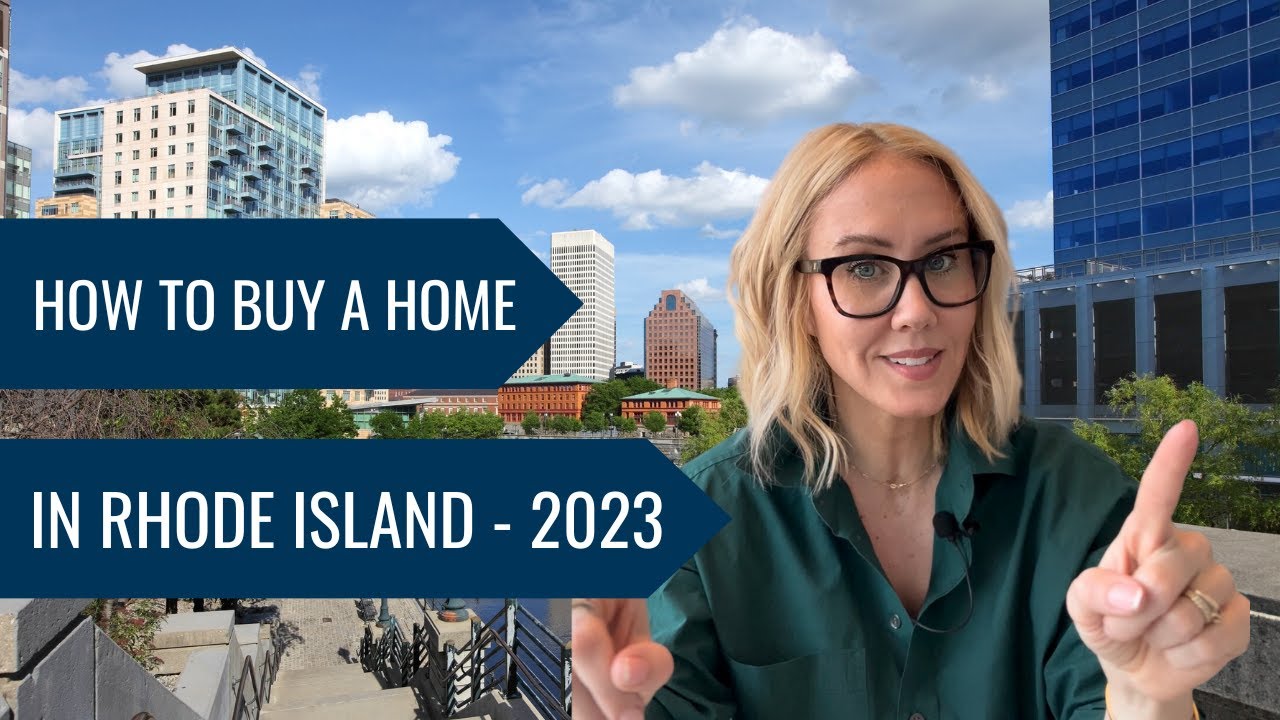
Overview of the House Purchase Process in Rhode Island
Purchasing a house in Rhode Island can be an exciting but complex process. Understanding the steps involved can help you navigate through the various stages with confidence. The first step is to determine your budget and financing options, followed by researching and choosing a real estate agent. After that, you will explore neighborhoods and property listings, view and evaluate potential houses, and make an offer. Once your offer is accepted, you will conduct a home inspection and appraisal, review the purchase agreement and closing costs, and secure a mortgage. Completing the title search, attending the closing, and transferring ownership will be the final steps in your home buying journey in Rhode Island.
Determining Your Budget and Financing Options
Before starting your house hunt, it’s essential to determine your budget and explore financing options. Assess your financial situation and calculate how much you can afford for a down payment, monthly mortgage payments, and other expenses. Consider consulting a mortgage lender to get pre-approved for a loan, which will give you a better idea of your budget and make you a more competitive buyer.
Researching and Choosing a Real Estate Agent
Working with a knowledgeable and trustworthy real estate agent can simplify the house buying process. Research agents who specialize in Rhode Island’s real estate market and have a good track record. Interview potential agents and ask about their experience, local knowledge, and communication style. Choose an agent who understands your needs, is responsive, and can guide you through the entire buying process.
Exploring Neighborhoods and Property Listings
Rhode Island offers a variety of neighborhoods with distinct characteristics. Research different areas and determine what amenities, schools, and transportation options are important to you. Once you have identified preferred neighborhoods, start exploring property listings. Utilize online platforms, attend open houses, and connect with your real estate agent to find suitable houses that match your criteria.
Viewing and Evaluating Potential Houses
Once you have shortlisted potential houses, it’s time to schedule viewings. Visit each property and assess its condition, layout, and features. Consider factors such as location, size, number of bedrooms and bathrooms, and any specific requirements you may have. Take notes, ask questions, and envision yourself living in each house to determine if it meets your needs and preferences.
Making an Offer and Negotiating the Purchase Price
When you find the perfect house, it’s time to make an offer. Your real estate agent will help you prepare a competitive offer, taking into account recent market trends and comparable sales. You may have to negotiate with the seller to agree on a purchase price. Be prepared for counteroffers and consider factors such as inspection results, repairs, and contingencies before finalizing the negotiation.
Conducting a Home Inspection and Appraisal
Once your offer is accepted, it’s crucial to conduct a thorough home inspection to identify any potential issues or repairs needed. Hire a qualified home inspector who will assess the property’s condition, including its structural integrity, electrical systems, plumbing, and more. Additionally, a lender will require an appraisal to determine the property’s value. These inspections provide valuable information to ensure you are making an informed decision.
Reviewing the Purchase Agreement and Closing Costs
Review the purchase agreement with your real estate agent and attorney to ensure all terms and conditions are understood. Understand the closing costs, which may include fees for title search, attorney services, mortgage origination, and more. Work closely with your agent and attorney to review and negotiate these costs, ensuring transparency and accuracy throughout the process.
Securing a Mortgage and Finalizing Financing
To secure your financing, work closely with your chosen lender to complete the mortgage application process. Provide all necessary documentation, such as income verification, bank statements, and employment history. Your lender will evaluate your application and determine the loan amount for which you qualify. Once approved, you will receive a commitment letter outlining the terms and conditions of your mortgage.
Completing the Title Search and Obtaining Title Insurance
Your attorney will conduct a title search to ensure there are no existing liens or ownership disputes on the property. This search ensures that the seller has the legal right to sell the house and that you will receive clear title upon purchase. It is also advisable to obtain title insurance, which protects you from any unforeseen title defects or claims that may arise in the future.
Attending the Closing and Signing the Documents
The closing is the final step before officially becoming a homeowner. It is typically conducted at an attorney’s office or a title company. During the closing, you will review and sign various legal documents, including the mortgage, loan agreements, and the deed. Ensure you understand each document’s contents and seek clarification if needed. You will also provide the necessary funds to cover the closing costs and down payment.
Transferring Ownership and Celebrating Your New Home
After the closing, the property ownership is transferred to you, and you will receive the keys to your new home. Celebrate this milestone and begin the exciting process of moving in and making your new house a home. Notify the necessary parties of your change of address and start enjoying the benefits of homeownership in beautiful Rhode Island.