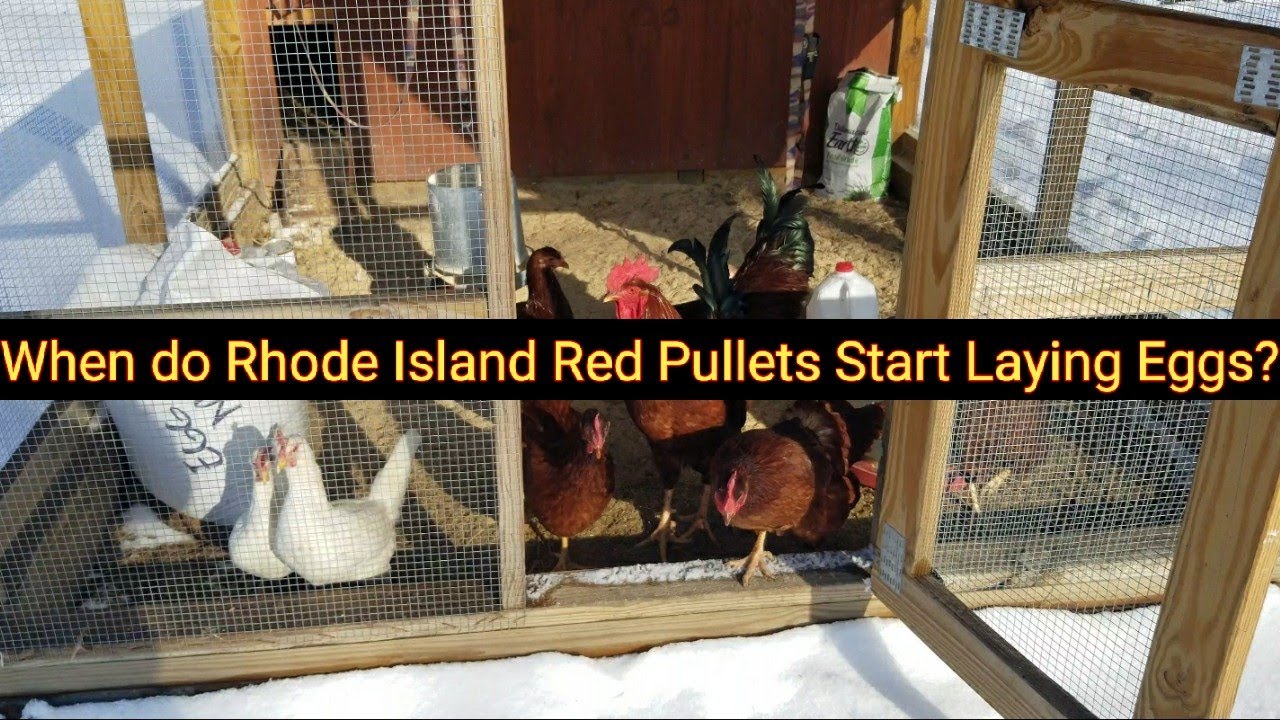
Introduction to Rhode Island Red chickens
Rhode Island Red chickens are a popular breed known for their excellent egg-laying abilities and striking appearance. Originating in the United States in the mid-19th century, this breed quickly gained recognition for its hardiness and productivity. They are medium to large-sized birds with deep red feathers, making them easily recognizable. Rhode Island Reds are not only prized for their egg production but also for their adaptability to various climates and their calm and friendly temperament. Their ability to lay a significant number of eggs can greatly benefit poultry owners interested in both commercial and backyard egg production.
Importance of egg-laying lifespan in poultry
The egg-laying lifespan of chickens is a crucial factor to consider for poultry farmers and backyard chicken keepers alike. Maximizing egg production is often a top priority for those who rely on chickens for a consistent supply of fresh eggs. Understanding the average egg-laying lifespan of a specific breed, such as the Rhode Island Red, helps farmers and keepers plan for the long-term productivity of their flocks. By knowing the average lifespan, farmers can make informed decisions regarding flock management, replacement schedules, and breeding programs.
Factors influencing egg-laying lifespan
Several factors can influence the egg-laying lifespan of Rhode Island Red chickens. These factors include genetics, nutrition, environmental conditions, and overall health. While some factors can be controlled or managed, others are inherent to the breed or individual bird. By understanding these influences, poultry owners can take proactive measures to optimize egg production and extend the lifespan of their Rhode Island Reds.
Understanding the average lifespan of Rhode Island Reds
The average lifespan of Rhode Island Red chickens can vary depending on various factors, including management practices, genetic lines, and overall health. On average, Rhode Island Reds can live for 6 to 8 years. However, their peak egg-laying period is typically between 2 and 3 years. After this period, egg production may decline, and owners may need to consider replacing older hens to maintain optimal egg yield.
Historical context of Rhode Island Red breed
The Rhode Island Red breed was developed in the late 19th century in Rhode Island, United States. It was created by crossing various breeds, including Malay, Shanghai, and Leghorn chickens. The breed quickly gained popularity due to its exceptional egg-laying ability, adaptability to different climates, and overall hardiness. Today, Rhode Island Reds are recognized as one of the most successful and enduring breeds in the poultry industry.
Average lifespan of Rhode Island Red hens
Rhode Island Red hens have an average lifespan of 6 to 8 years. However, their primary egg-laying years occur between 2 and 3 years of age. During this time, hens can lay up to 250 to 300 eggs per year. After the peak period, egg production gradually declines, and owners may notice a decrease in the number and size of eggs. While the hens can continue to lay eggs beyond their peak years, productivity typically decreases, making replacement considerations necessary for maintaining consistent egg production.
Impact of genetics on egg-laying ability
Genetics play a significant role in determining the egg-laying ability and lifespan of Rhode Island Red chickens. Careful breeding programs and selection for desirable traits, including high egg production, can lead to improved productivity and extended egg-laying lifespans. Breeders often focus on selecting hens from lines with a history of exceptional egg production to ensure the continuation of favorable genetic traits in subsequent generations.
Role of nutrition for long-lasting egg production
Proper nutrition is essential for maintaining long-lasting egg production in Rhode Island Reds. A balanced diet rich in essential nutrients, including protein, vitamins, and minerals, contributes to overall hen health and egg-laying ability. Providing a quality layer feed specifically formulated for egg production, along with access to fresh water and supplemental calcium, is crucial for supporting optimal egg production and prolonging the egg-laying lifespan.
Environmental conditions for optimal egg-laying
Creating and maintaining optimal environmental conditions is vital for maximizing the egg-laying lifespan of Rhode Island Reds. A clean and comfortable coop with adequate ventilation, lighting, and nest boxes encourages hens to lay and minimizes stress. Additionally, providing an appropriate photoperiod, mimicking natural daylight hours, helps regulate the hens’ reproductive cycle and supports consistent egg production.
Health considerations affecting egg-laying lifespan
The overall health of Rhode Island Reds significantly impacts their egg-laying lifespan. Regular health checks, vaccination protocols, and parasite control measures are essential for preventing illnesses, infections, and diseases that can negatively affect egg production and overall lifespan. Maintaining a clean and hygienic environment, practicing biosecurity measures, and promptly addressing any health concerns are crucial for supporting the long-term health and productivity of the flock.
Maintaining Rhode Island Reds for extended egg production
To maintain Rhode Island Reds for extended egg production, poultry owners should consider implementing a few key strategies. First, regular replacement of older hens beyond their peak laying years ensures a continuous supply of productive birds. Second, maintaining a balanced diet with high-quality feed and proper supplementation supports optimal egg production. Lastly, providing a comfortable and stress-free environment with appropriate lighting and nesting conditions promotes consistent laying and overall hen wellbeing.
Conclusion: Maximizing egg-laying lifespan in Rhode Island Reds
Understanding the average egg-laying lifespan of Rhode Island Reds is essential for poultry farmers and backyard chicken keepers. By considering factors such as genetics, nutrition, environmental conditions, and overall health, owners can maximize egg production and prolong the productive lifespan of their flocks. Additionally, proper management practices, including regular replacements, balanced nutrition, and a conducive environment, contribute to the overall success and longevity of Rhode Island Red hens as reliable egg layers. With careful attention to these factors, poultry owners can enjoy the benefits of consistent and abundant egg production from their Rhode Island Red flocks for years to come.