
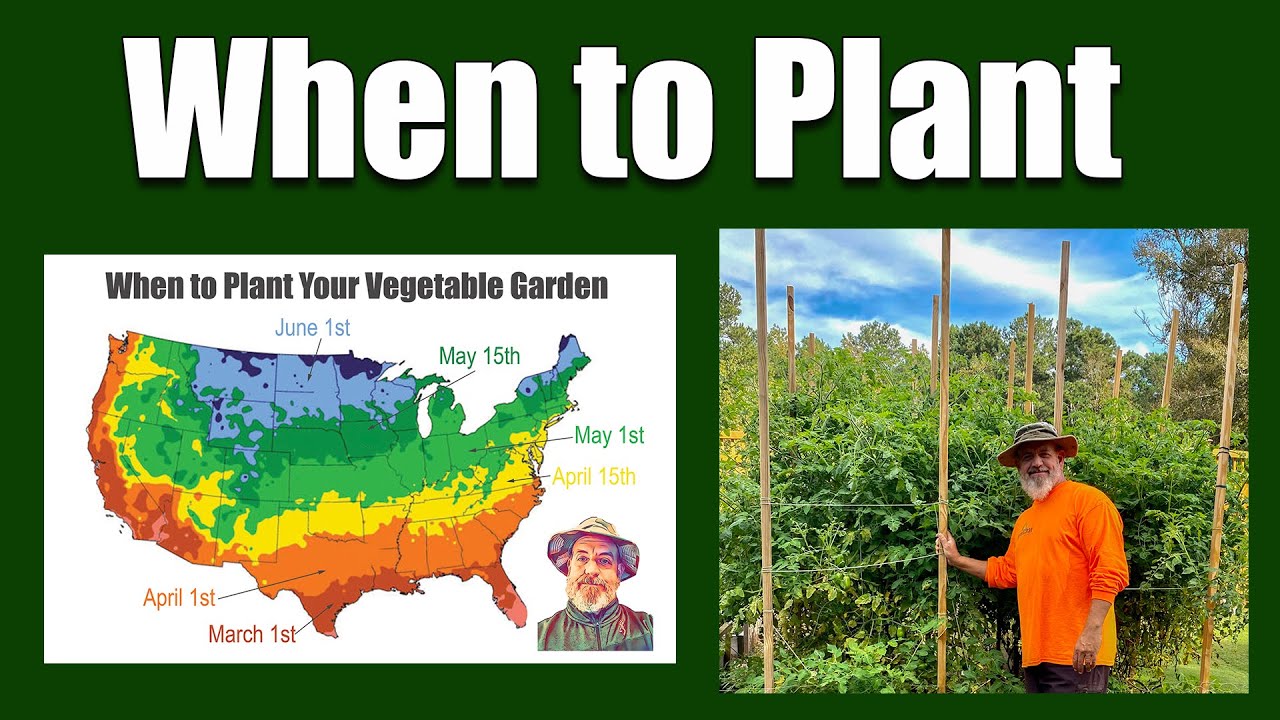
Introduction: The Ideal Time to Plant a Garden in Rhode Island
Planting a garden in Rhode Island can be a rewarding and enjoyable endeavor, but knowing the best time to start can often be a challenge. The success of your garden largely depends on timing, as the region’s climate and growing seasons play a significant role in determining when to plant different crops. In this article, we will explore the ideal times for planting a garden in Rhode Island, taking into consideration the state’s unique climate and various factors that can affect plant growth. Whether you are a seasoned gardener or a novice looking to try your hand at gardening, understanding the optimal planting times will greatly increase your chances of a successful harvest.
Understanding Rhode Island’s Climate and Growing Seasons
Rhode Island experiences a humid continental climate, characterized by hot summers and cold winters. The state’s location in the northeastern United States means it falls within USDA hardiness zones 5b to 7a, with coastal areas generally milder than inland regions. The growing season in Rhode Island typically lasts from early April to mid-October, giving gardeners ample time to cultivate a wide variety of crops. However, it is important to note that the timing of planting can vary depending on several factors, including the specific crop, location within the state, and microclimates that may exist.
Factors to Consider Before Planting a Garden in Rhode Island
Before diving into the planting process, it is crucial to consider a few factors that can impact the success of your garden in Rhode Island. Firstly, soil temperature plays a vital role in the germination and growth of plants. It is recommended to wait until the soil temperature reaches a minimum of 50°F before planting most crops. Additionally, understanding the average last frost date in your area is essential. In Rhode Island, the average last frost date ranges from late April to early May, meaning tender plants should not be planted until after this date. Finally, assessing the amount of sunlight your garden receives and the availability of water sources are also important factors to consider before commencing your gardening journey.
Spring Planting: The Most Popular Time for Rhode Island Gardeners
Spring is undoubtedly the most popular time for Rhode Island gardeners to start planting their gardens. As the temperatures begin to warm up and the threat of frost diminishes, gardeners can start sowing cool-season crops such as lettuce, spinach, peas, radishes, and carrots. These crops thrive in the cooler temperatures and can be planted as early as mid-April. Once the soil has warmed up, typically in early May, warm-season crops like tomatoes, peppers, cucumbers, and beans can be safely planted. Spring planting provides the advantage of an extended growing season, allowing for multiple harvests before summer’s heat sets in.
Summer Planting: Maximizing Growth in Rhode Island’s Warm Months
Summer in Rhode Island brings with it warm temperatures and longer days, making it an ideal time for planting warm-season crops. By mid-June, the soil has warmed up significantly, providing optimal conditions for the growth of heat-loving plants like corn, squash, zucchini, melons, and basil. It is important to ensure these crops receive adequate water and attention during the hot summer months, as they are more susceptible to drought and heat stress. Additionally, succession planting, which involves sowing seeds or transplanting seedlings at regular intervals, can maximize the yield and prolong the harvest throughout the summer.
Fall Planting: A Great Time for Certain Crops in Rhode Island
Fall is an often overlooked but highly favorable time for gardening in Rhode Island. As the temperatures begin to cool down, gardeners can take advantage of the milder weather and plant cool-season crops that thrive in lower temperatures. Popular fall crops in Rhode Island include broccoli, cauliflower, cabbage, kale, Brussels sprouts, and various salad greens. These crops can be planted starting in late July and throughout August to ensure a fall harvest. The cooler temperatures in the fall help enhance the flavor of these crops, making them a delightful addition to your dinner table.
Winter Planting: Exploring Rhode Island’s Cold-Weather Options
While winter may seem like an off-season for gardening, there are still options for those who wish to continue growing during the colder months in Rhode Island. Cold-hardy crops such as kale, Swiss chard, collard greens, and certain varieties of lettuce can be planted in late summer or early fall to be enjoyed throughout the winter. Utilizing season extension techniques like cold frames, hoop houses, or low tunnels can protect these crops from frost and allow them to thrive even during the coldest months. Winter gardening provides a unique opportunity to enjoy fresh produce year-round and allows for a continuous connection to nature and the joy of nurturing plants.
Key Considerations for Year-Round Gardening in Rhode Island
For those interested in year-round gardening in Rhode Island, it is important to consider several key factors. Firstly, selecting cold-tolerant crops that can withstand freezing temperatures is crucial. Planting in raised beds or containers can help insulate the soil and protect the plants during winter. Additionally, providing adequate protection from harsh winter winds and frost is essential. Utilizing season extension techniques, as mentioned earlier, can help create a more favorable microclimate and extend the growing season. Finally, regular monitoring of soil moisture, as well as supplemental watering during dry periods, is necessary to ensure plants receive the necessary hydration year-round.
Recommended Planting Dates for Different Crops in Rhode Island
Here is a general guideline for recommended planting dates for different crops in Rhode Island:
- Cool-season crops (lettuce, spinach, peas, radishes, carrots): Mid-April to early May
- Warm-season crops (tomatoes, peppers, cucumbers, beans): Early May to mid-June
- Fall crops (broccoli, cauliflower, cabbage, kale, Brussels sprouts): Late July to August
- Winter crops (kale, Swiss chard, collard greens, lettuce): Late summer to early fall
It is important to note that these dates can vary depending on the specific microclimate and weather conditions in your area. Consulting with local gardening resources or experienced gardeners in your community can provide more precise recommendations based on your location.
Strategies for Extending the Growing Season in Rhode Island
To maximize the growing season and extend it beyond the typical timeframe, several strategies can be employed in Rhode Island. Starting seeds indoors or in a greenhouse allows for an earlier start to the growing season, giving plants a head start before transplanting them outdoors. Utilizing row covers, cloches, or other protective measures can help safeguard crops from early spring or late fall frosts. Additionally, incorporating season extension structures like high tunnels or cold frames can create a more favorable environment for plants, allowing for an extended harvest well into the cooler months.
Common Mistakes to Avoid When Planting a Garden in Rhode Island
While gardening in Rhode Island can be rewarding, there are common mistakes that should be avoided to ensure successful plant growth. One of the most common errors is planting too early, before the soil has warmed up sufficiently. Planting before the last frost date can result in poor germination and stunted growth. Overwatering is another mistake to avoid, as it can lead to root rot and other fungal diseases. It is important to strike a balance between providing adequate moisture and allowing the soil to dry out slightly between waterings. Lastly, neglecting pest control measures can quickly turn a thriving garden into a disappointment. Regularly inspecting plants for pests and implementing organic pest control methods can help prevent infestations and ensure healthy plant growth.
Conclusion: Timing is Everything for Successful Gardening in Rhode Island
In conclusion, understanding the ideal time to plant a garden in Rhode Island is crucial for a successful gardening experience. By considering the state’s climate, growing seasons, and various factors that affect plant growth, gardeners can make informed decisions about when to plant different crops. Whether it’s spring, summer, fall, or even winter gardening, each season in Rhode Island offers unique opportunities for growing a wide range of crops. By following recommended planting dates, utilizing season extension techniques, and avoiding common mistakes, gardeners in Rhode Island can enjoy a bountiful harvest and the joys of nurturing plants year-round. So, grab your gardening tools and get ready to sow the seeds of success in Rhode Island’s fertile soil!