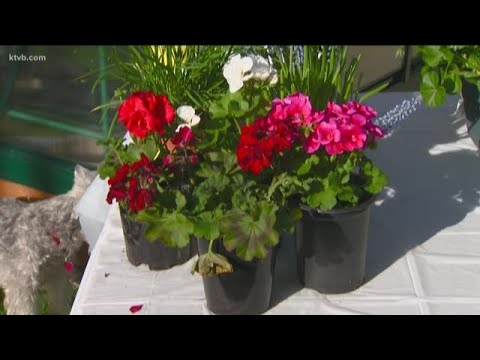
Introduction: The Best Time to Plant Flowers in Rhode Island
Planting flowers in Rhode Island can be a delightful way to enhance the beauty of your garden and create a vibrant outdoor space. However, to ensure successful growth and blooming, it is essential to plant flowers at the right time. Rhode Island’s climate and growing conditions play a crucial role in determining the best time for flower planting. By understanding the seasonal variations and following some expert tips, you can enjoy a colorful and flourishing garden all year round.
Understanding Rhode Island’s Climate and Growing Conditions
Rhode Island experiences a humid continental climate, characterized by warm summers and cold winters. The state’s location in the New England region influences its unique growing conditions. The average annual temperature in Rhode Island ranges from 51°F (10.6°C) to 54°F (12.2°C), making it suitable for a variety of flowers. However, it is crucial to consider the specific temperature requirements of different flowers when planning your garden.
Spring Planting: Ideal Time for Blooming Flowers in Rhode Island
Spring is an ideal time to plant flowers in Rhode Island as the soil starts to warm up, and the risk of frost diminishes. Generally, the best time to begin spring planting is around mid-April. By planting flowers during this period, you can take advantage of the favorable weather conditions and allow the plants to establish strong roots before the scorching summer heat sets in.
Summer Planting: Maximizing Growth and Color in Rhode Island
Although the summers in Rhode Island can be hot and humid, there are still opportunities for planting flowers during this season. Late spring and early summer are suitable for planting heat-loving flowers such as zinnias, marigolds, and sunflowers. These flowers thrive in the warm weather and add vibrant colors to your garden. It is essential to provide sufficient water and proper care to help the plants cope with the summer heat.
Fall Planting: Preparing for Winter and Ensuring Spring Blooms
Fall can be an excellent time to plant flowers in Rhode Island, particularly for those that bloom in early spring. By planting flowers like tulips, daffodils, and crocuses in late September or October, you give them ample time to establish their root systems before the ground freezes. These flowers require a period of cold dormancy, and planting them in the fall ensures they receive the necessary chilling hours for the next blooming season.
Winter Planting: Special Considerations for Rhode Island Gardens
Winter planting in Rhode Island requires special consideration due to the freezing temperatures and snowfall. While the ground may be too hard to dig, you can still enjoy winter interest by planting hardy perennials like hellebores or evergreen plants. Container gardening is another option for winter planting, allowing you to bring color to your outdoor spaces. Ensure proper insulation and protection for the plants to withstand the harsh winter conditions.
The Importance of Soil Preparation and Conditioning
Before planting flowers in Rhode Island, it is crucial to prepare and condition the soil. The soil should be well-drained and rich in organic matter to provide necessary nutrients to the plants. Incorporating compost or aged manure into the soil can improve its fertility and structure. Testing the soil pH is also vital, as some flowers require specific pH levels to thrive. Amending the soil accordingly can create an ideal environment for healthy plant growth.
Selecting the Right Flowers for Rhode Island’s Climate
Choosing the right flowers for Rhode Island’s climate is vital for successful gardening. Some flowers that thrive in Rhode Island include daylilies, black-eyed Susans, hydrangeas, and asters. These flowers are well-adapted to the state’s growing conditions and can withstand temperature fluctuations. Native flowers, such as goldenrods and wild geraniums, are also a great choice as they are accustomed to the local climate and require less maintenance.
Tips for Successful Flower Planting in Rhode Island
To ensure successful flower planting in Rhode Island, consider the following tips:
- Choose flowers that are suitable for the specific season and Rhode Island’s climate.
- Follow the recommended planting dates for each flower variety.
- Water the plants adequately, especially during dry periods.
- Mulch around the plants to conserve moisture and suppress weeds.
- Provide proper spacing between plants to ensure adequate air circulation.
- Regularly monitor for pests and diseases and take appropriate action.
- Fertilize the plants as needed, following the recommended guidelines.
- Protect the plants from extreme weather conditions, such as strong winds or heavy rain.
- Engage in regular maintenance tasks like deadheading and pruning.
- Seek advice from local gardening experts or extension services for specific plant care information.
Caring for Newly Planted Flowers in Rhode Island
After planting flowers in Rhode Island, caring for them is crucial to ensure their healthy growth. Newly planted flowers require extra attention, including regular watering until they establish their root systems. It is essential to monitor soil moisture levels and avoid overwatering, which can lead to root rot. Applying a layer of mulch around the plants helps to retain moisture and suppress weed growth. Regular inspection for pests and diseases is also recommended to address any issues promptly.
Extending the Blooming Season with Succession Planting
To enjoy a longer blooming season in Rhode Island, consider succession planting. Succession planting involves staggering the planting of flowers at different times to ensure a continuous display of blooms. By selecting flowers with varying bloom times, you can extend the beauty of your garden from early spring through late fall. This technique also helps in managing the garden space effectively and prevents a sudden decline in visual appeal.
Conclusion: Enjoying a Vibrant and Colorful Garden in Rhode Island
Rhode Island offers a favorable climate for growing a wide variety of flowers. By understanding the state’s growing conditions and selecting the appropriate flowers for each season, you can create a vibrant and colorful garden throughout the year. Remember to prepare the soil adequately, follow planting guidelines, provide proper care, and consider succession planting to extend the blooming season. With these tips in mind, you can enjoy the beauty of nature right in your backyard and enhance the visual appeal of your surroundings in Rhode Island.