
Introduction: Living in Rhode Island
Rhode Island, the smallest state in the United States, offers a unique and charming living experience. Known as the "Ocean State," it boasts a rich history, beautiful coastal scenery, and a tight-knit community. Despite its small size, Rhode Island offers a diverse range of activities, a strong job market, excellent education, and a high quality of life. This article will explore what it is like to live in Rhode Island, covering various aspects such as geography, economy, education, healthcare, transportation, housing, culture, food, safety, and community life.
Geographical Location and Climate of Rhode Island
Situated in the New England region of the United States, Rhode Island is located in the northeastern part of the country. Bordered by Connecticut in the west and Massachusetts in the north and east, it features a coastline stretching over 400 miles. The state’s compact size allows for easy access to both urban and rural areas. Rhode Island experiences a humid continental climate, characterized by warm summers and cold winters. The coastal influence moderates the temperature, making it milder than other nearby regions.
Economy and Job Opportunities in Rhode Island
Rhode Island has a diverse and robust economy, with sectors such as healthcare, education, finance, manufacturing, and tourism driving its growth. The state is home to various prominent employers, including Brown University, Hasbro, CVS Health, and many hospitals and medical centers. Job opportunities are plentiful, particularly in healthcare, education, and the service industry. The unemployment rate in Rhode Island is typically in line with the national average, offering stability and economic opportunities for residents.
Education System in Rhode Island
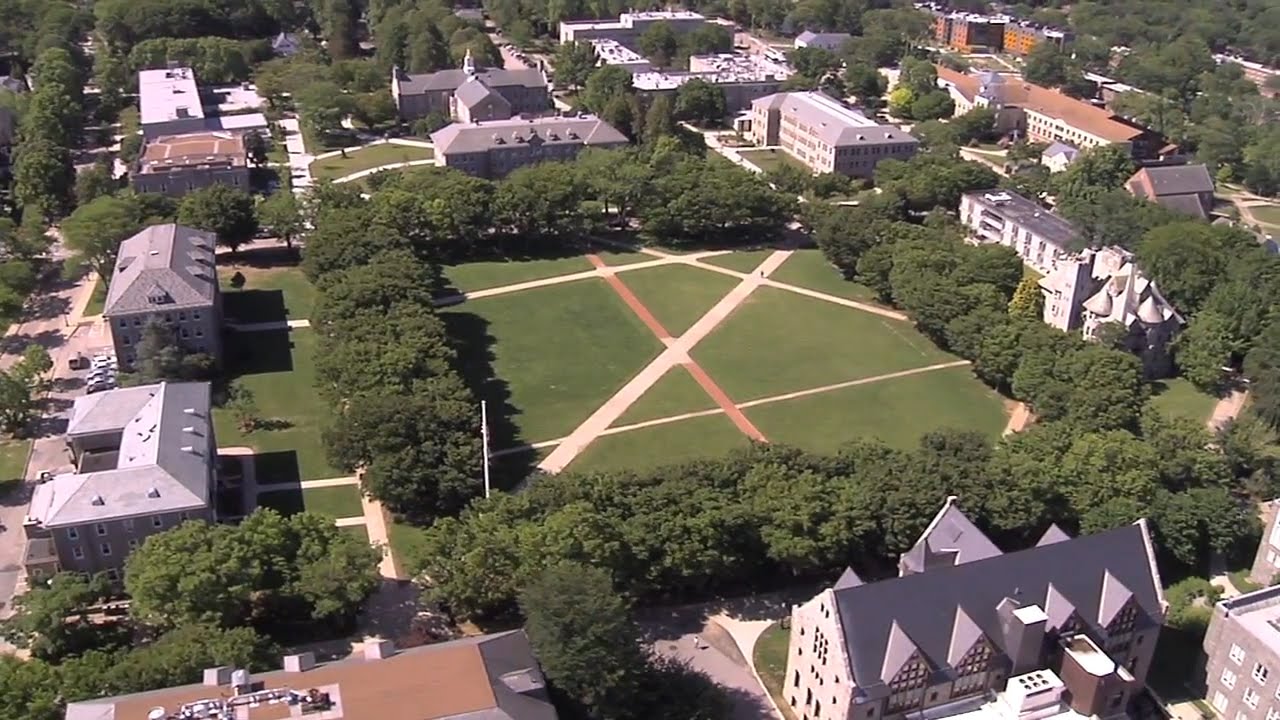
Rhode Island takes pride in its excellent education system. The state is known for its prestigious universities, including Brown University, Rhode Island School of Design (RISD), and the University of Rhode Island. These institutions attract students from around the world and contribute to the state’s intellectual and cultural vitality. Additionally, Rhode Island has a strong K-12 public school system, with a focus on providing quality education to its residents.
Healthcare Facilities and Services in Rhode Island
Rhode Island offers top-notch healthcare facilities and services, ensuring the well-being of its residents. The state is home to renowned hospitals, such as Rhode Island Hospital and Miriam Hospital, which provide specialized medical care and research opportunities. Access to quality healthcare is readily available throughout the state, with numerous clinics, doctors’ offices, and community health centers catering to various medical needs. Rhode Island also has a strong focus on mental health services and offers support for those in need.
Transportation and Infrastructure in Rhode Island
Rhode Island has a well-developed transportation system that makes getting around the state convenient. The Rhode Island Public Transit Authority (RIPTA) operates an extensive bus network, connecting major towns and cities. Additionally, the state’s compact size makes driving an efficient mode of transportation. Interstate highways and state routes provide easy access to neighboring states. For those traveling further, T.F. Green Airport offers domestic and international flights. Furthermore, the state promotes biking and walking with its bike paths and pedestrian-friendly areas.
Housing and Cost of Living in Rhode Island
Rhode Island offers a diverse range of housing options, from historic homes to modern apartments. The cost of housing varies depending on location, with urban areas being more expensive compared to suburban or rural areas. The state has a mix of renting and homeownership opportunities, catering to different preferences. While housing costs can be higher than the national average, they are relatively affordable compared to nearby states like Massachusetts and Connecticut.
Cultural and Recreational Activities in Rhode Island
Rhode Island is a haven for cultural and recreational activities. The state hosts various festivals, art exhibitions, and theater performances throughout the year. Providence, the capital city, is known for its vibrant arts scene, offering galleries, theaters, and live music venues. With its extensive coastline, Rhode Island provides ample opportunities for water-based activities like swimming, boating, and fishing. The state also has numerous parks, hiking trails, and nature preserves, allowing residents to enjoy the beauty of its natural landscapes.
Food and Cuisine in Rhode Island
Rhode Island is a culinary delight, offering a unique blend of flavors influenced by its coastal location and immigrant communities. Seafood lovers will find an array of fresh seafood dishes like clam chowder, lobster rolls, and stuffed quahogs. The state is also famous for its "hot wieners," a type of hot dog, as well as coffee milk, a popular local beverage. Additionally, Rhode Island boasts a thriving restaurant scene, with a wide range of cuisines to suit every palate.
Safety and Crime Rates in Rhode Island
Rhode Island maintains a relatively low crime rate compared to other states in the United States. The tight-knit community and dedicated law enforcement contribute to the overall safety of its residents. While some urban areas may have higher crime rates, the state as a whole provides a secure living environment. As in any location, it is always advisable to take common-sense precautions and stay informed about local safety measures.
Community and Social Life in Rhode Island
Rhode Island’s close-knit community fosters a strong sense of belonging and social engagement. The state hosts numerous community events, such as farmers markets, parades, and neighborhood gatherings, providing opportunities for residents to connect with one another. The people of Rhode Island are known for their friendly and welcoming nature, making it easy for newcomers to integrate into the community. From volunteering opportunities to recreational sports leagues, there are various ways to get involved and build lasting relationships.
Conclusion: Pros and Cons of Living in Rhode Island
Living in Rhode Island offers a multitude of advantages. The state’s rich history, beautiful coastline, vibrant arts scene, and excellent education and healthcare systems make it an attractive place to call home. Job opportunities are ample, and the cost of living, though higher than the national average, is relatively affordable compared to neighboring states. However, Rhode Island’s small size may limit certain amenities and options available in larger states. Additionally, while the crime rate is generally low, residents should be aware of certain areas with higher crime rates. Overall, Rhode Island provides a unique and fulfilling living experience for those seeking a tight-knit community, cultural vibrancy, and a high quality of life.