Introduction: Founding of Rhode Island
Rhode Island, one of the thirteen original colonies of what would later become the United States, has a rich history that dates back to the early days of European colonization in North America. Unlike many of its neighboring colonies, Rhode Island was founded with a unique purpose and vision in mind. Its establishment was closely tied to the life and ideals of Roger Williams, a controversial figure who sought to create a place where religious freedom and tolerance could flourish. This article delves into the fascinating story of the founder of Rhode Island and the purpose behind its establishment.
Early Settlements and European Colonization
Before the arrival of European settlers, the area that we now know as Rhode Island was inhabited by the Narragansett and Wampanoag tribes. However, in the early 17th century, European colonization began in earnest. The English, Dutch, and French all laid claim to the region, resulting in a complex web of settlements and conflicts. By the 1630s, several European colonies had been established in the area, including Plymouth, Massachusetts Bay, and Connecticut.
Roger Williams: The Founder of Rhode Island
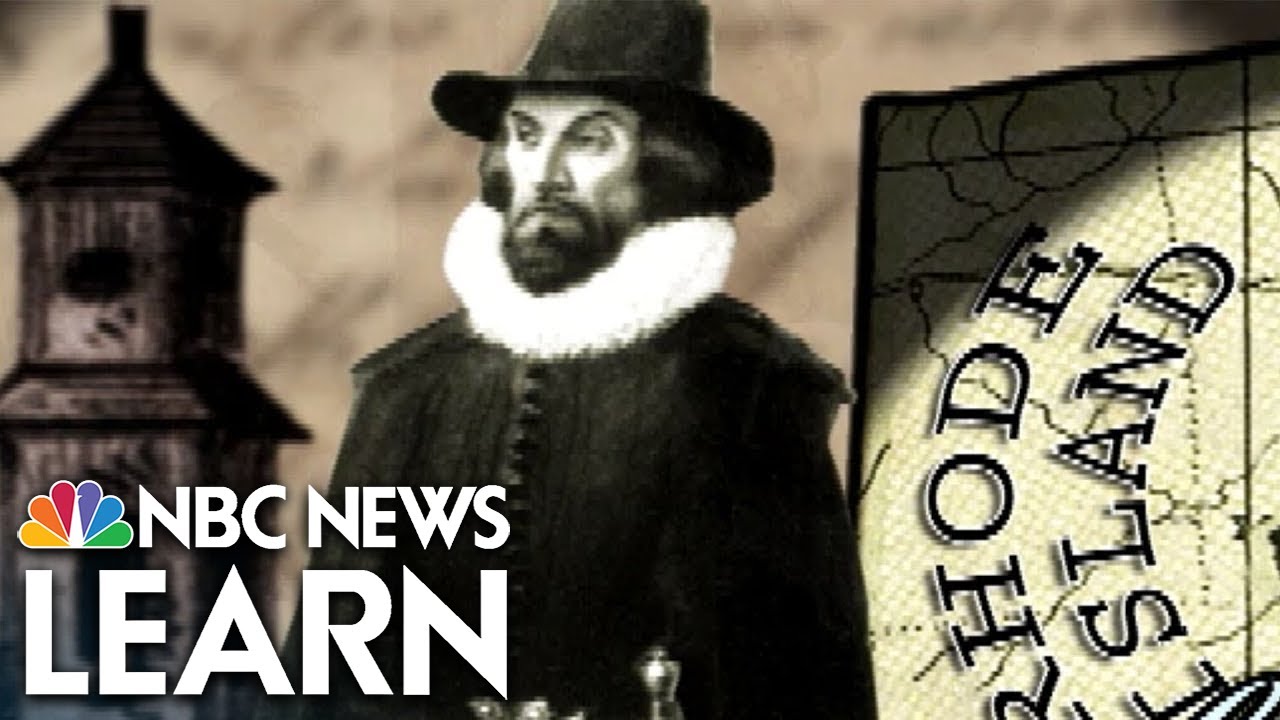
At the heart of Rhode Island’s founding is Roger Williams, a Puritan minister who became a prominent figure in the early days of the Massachusetts Bay Colony. Williams, however, held views that clashed with the religious and political authorities of the time. His vocal opposition to the state’s interference in religious matters and his advocacy for the separation of church and state led to his banishment from the Massachusetts Bay Colony in 1635.
Background and Life of Roger Williams
Born in England in 1603, Williams emigrated to Massachusetts in 1631. He quickly rose to prominence as a minister and became known for his radical beliefs. Williams believed in the importance of religious freedom, the fair treatment of Native Americans, and the separation of church and state. These ideas made him a controversial figure among his fellow Puritans, leading to his eventual exile from Massachusetts.
The Religious and Political Climate of the Time
To understand the context in which Rhode Island was founded, it is crucial to appreciate the religious and political climate of the 17th century. The Puritans, who sought to reform the Church of England, held significant influence in the Massachusetts Bay Colony. Their strict religious beliefs and authoritarian control over the colony’s affairs stifled dissent and religious freedom. It was against this backdrop that Roger Williams and other dissenters began to envision a new society.
Williams’ Vision for Religious Freedom
Roger Williams firmly believed that religious freedom was a fundamental right that should be protected and cherished. He argued that individuals should be free to practice their religion without interference from the state or any religious authority. Williams’ vision for Rhode Island was rooted in the idea that religious tolerance and diversity could coexist harmoniously, allowing each individual the freedom to worship as they saw fit.
The Establishment of Providence Plantations
In 1636, after being banished from the Massachusetts Bay Colony, Roger Williams purchased land from the Narragansett and established a new settlement. This settlement, which would later become Providence Plantations, served as a refuge for individuals seeking religious freedom. Williams welcomed settlers from various religious backgrounds, including Quakers and Baptists, and ensured that they could practice their faith without fear of persecution.
The Purpose and Ideals Behind Rhode Island
The purpose behind the establishment of Rhode Island was to create a society that embraced religious freedom and tolerance. Unlike the neighboring colonies, Rhode Island did not have an official religion or an established church. Instead, it provided a safe haven for those who faced religious persecution in other colonies. This unique approach attracted a diverse array of settlers, contributing to the colony’s vibrant and inclusive character.
Rhode Island as a Haven for Religious Dissenters
Rhode Island quickly became known as a haven for religious dissenters. Many individuals who faced persecution in other colonies flocked to Rhode Island, seeking refuge and the freedom to practice their faith without fear of reprisal. Quakers, Jews, and other religious minorities found solace in Rhode Island’s welcoming environment, making the colony a true bastion of religious freedom during a time of religious strife in the New World.
Rhode Island’s Unique Governance and Principles
Rhode Island’s establishment was marked by its unique governance and principles. Unlike the other colonies, Rhode Island had a government that was based on democratic principles and religious freedom. The colony’s charter, obtained in 1663, granted significant autonomy and self-governance to its residents. This allowed for a greater degree of religious tolerance and individual freedom, making Rhode Island stand out among its contemporaries.
Legacy of Roger Williams and Rhode Island
The legacy of Roger Williams and the establishment of Rhode Island cannot be overstated. Williams’ ideas and principles laid the foundation for the religious freedom that would eventually become a cornerstone of American democracy. Rhode Island’s commitment to religious tolerance and individual liberty set it apart from the other colonies and helped shape the values that would later become integral to the United States’ Constitution.
Conclusion: Rhode Island’s Enduring Impact
Rhode Island, founded by Roger Williams as a haven for religious freedom and tolerance, has left an indelible mark on American history. Its establishment challenged the prevailing religious and political norms of the time and paved the way for the religious freedoms enjoyed by Americans today. Rhode Island’s unique governance, commitment to diversity, and legacy of religious tolerance continue to shape its identity and make it a beacon of freedom and liberty.