Introduction: The Origins of Rhode Island Colony
Rhode Island, located in the New England region of the United States, has a rich and fascinating history that dates back to the early 17th century. The colony was founded on the principles of religious freedom and tolerance, making it an important haven for dissidents and outcasts. However, before the arrival of European settlers, Rhode Island was home to several Native American tribes who had inhabited the area for thousands of years.
Early Settlements: Native American Presence in Rhode Island
Long before the arrival of European explorers, the land that would later become Rhode Island was inhabited by Native American tribes, including the Narragansett, Wampanoag, and Niantic. These tribes lived off the land, hunting, fishing, and practicing agriculture. They had established settlements and trading networks, which made the area attractive for future European settlers.
European Exploration: The Arrival of European Explorers
European exploration of Rhode Island began in the early 17th century. In 1524, Italian explorer Giovanni da Verrazzano, sailing under the French flag, landed on the shores of Rhode Island. However, it wasn’t until the early 1600s that Europeans began to establish permanent settlements in the area.
Roger Williams: The Visionary Behind Rhode Island Colony
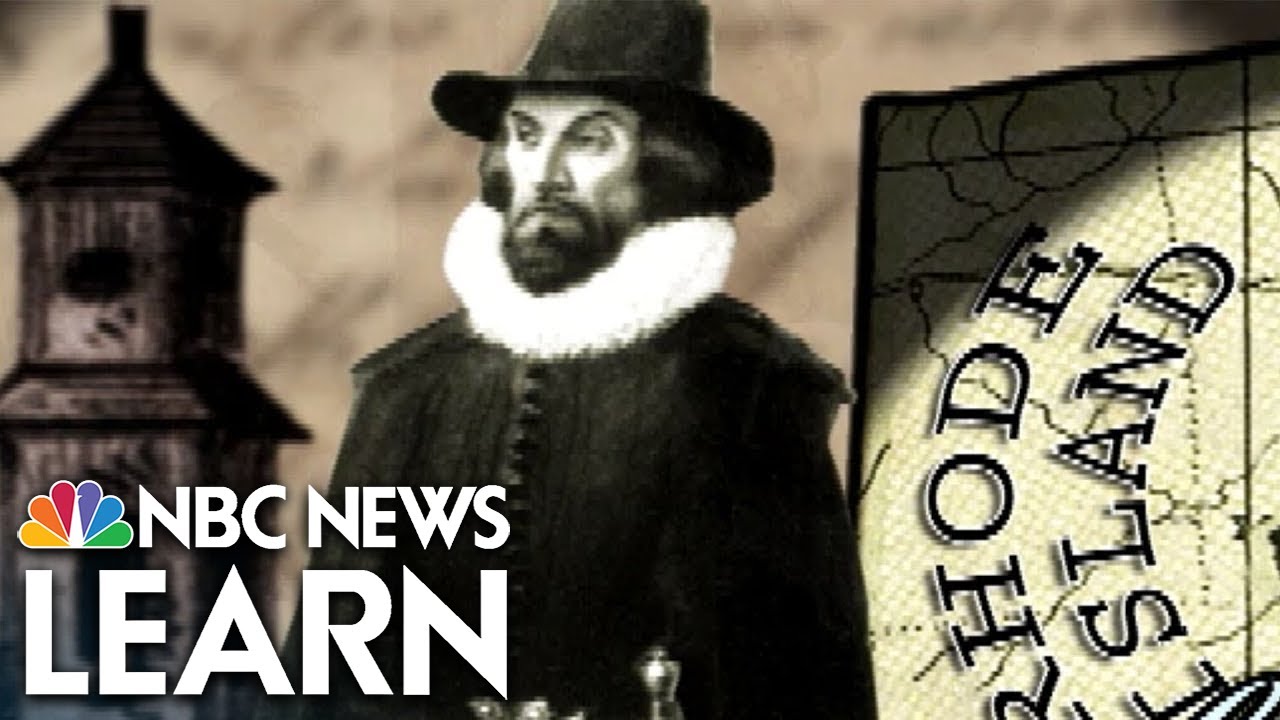
One of the most influential figures in the founding of the Rhode Island colony was Roger Williams. Williams, a Puritan minister, arrived in the Massachusetts Bay Colony in 1631. However, his views on religious freedom and his criticism of the establishment led to his banishment from the colony. Seeking a place where all individuals could practice their own religion freely, Williams founded the Providence Plantations in 1636.
Religious Freedom: The Motivation for Founding Rhode Island
Religious freedom was one of the driving forces behind the founding of Rhode Island. Roger Williams believed that individuals should have the right to practice any religion they chose without interference from the government or religious authorities. This vision attracted many dissidents and outcasts from other colonies, making Rhode Island a diverse and tolerant colony.
The Charter of Rhode Island: A Royal Grant of Land
In 1663, Rhode Island received a royal charter from King Charles II of England. This charter granted the colony a significant degree of self-governance and religious freedom. The charter also recognized the rights of the Native American tribes in the area, further solidifying Rhode Island’s commitment to tolerance and respect for all.
Providence Plantations: The First Permanent Settlement
The first permanent settlement in Rhode Island was established by Roger Williams in 1636. He named this settlement Providence Plantations, inspired by the idea of a "divine providence" that guided his actions. Providence Plantations quickly became a center for religious freedom and intellectual discourse, attracting people from various religious backgrounds.
Portsmouth and Newport: Expanding the Colony
As the colony grew, new settlements were established in other parts of Rhode Island. In 1638, Anne Hutchinson and her followers founded the town of Portsmouth, further promoting the ideals of freedom of religion. Newport, another significant settlement, was founded in 1639 and quickly became a major center of trade and commerce.
Dissenters and Outcasts: Founding of Other Rhode Island Towns
Rhode Island’s reputation as a haven for dissenters and outcasts continued to attract settlers from other colonies. Towns such as Warwick, Exeter, and Westerly were founded by individuals seeking religious freedom and refuge from persecution. These towns further contributed to the diverse and tolerant character of the Rhode Island colony.
The Merger: Uniting Providence and Warwick
In 1647, the towns of Providence and Warwick merged to form a single government, unifying the northern and southern parts of the colony. This merger further strengthened the political and economic stability of Rhode Island, allowing it to flourish as a colony committed to religious freedom and individual rights.
Royal Colony: Rhode Island under British Rule
Rhode Island remained a self-governing colony under its royal charter until the American Revolution. Despite its relatively small size, Rhode Island played a significant role in the Revolution, providing troops and supplies to the Continental Army. After the war, Rhode Island became the 13th state to ratify the United States Constitution in 1790.
Conclusion: The Legacy of Rhode Island Colony
The founding of the Rhode Island colony was a pivotal moment in American history, highlighting the importance of religious freedom and tolerance. Rhode Island’s commitment to these principles attracted diverse and innovative settlers, contributing to its unique character. Today, Rhode Island continues to embrace its legacy as a beacon of religious tolerance and individual rights.