Introduction to Planting Tomatoes in Rhode Island
Planting tomatoes in Rhode Island can be a rewarding experience for both home gardeners and commercial growers alike. Tomatoes are a versatile crop that thrive in the state’s warm summers and can be harvested from midsummer to early fall. However, to ensure a successful tomato crop, it is crucial to understand the local climate, soil conditions, and the optimal timeframes for planting.
Understanding the Local Climate and Soil Conditions
Rhode Island’s climate is characterized by warm summers and cool winters, which makes it suitable for growing tomatoes. The state experiences a humid continental climate, with a moderate amount of rainfall throughout the year. The average annual temperature ranges from 40°F (4°C) in winter to 80°F (27°C) in summer.
In terms of soil conditions, tomatoes prefer well-draining soil that is rich in organic matter. Rhode Island has a variety of soil types, including loam, sandy loam, and clay loam. Testing the soil’s pH level is essential to determine if any amendments, such as lime or sulfur, are required to achieve the optimal pH range of 6.0 to 6.8 for tomato growth.
Factors to Consider for Successful Tomato Planting
Several factors contribute to successful tomato planting in Rhode Island. First and foremost, selecting disease-resistant tomato varieties is crucial to prevent common diseases such as early blight, late blight, and blossom end rot. Additionally, considering the available space, sunlight exposure, and proper spacing between plants is essential for optimal growth and airflow.
Proper watering and fertilization are also vital factors to consider. Tomatoes require consistent soil moisture, so a regular watering schedule is necessary, especially during dry spells. Applying organic fertilizers, such as compost or well-rotted manure, can provide the necessary nutrients for healthy plant growth.
The Importance of Choosing the Right Tomato Variety
Choosing the right tomato variety is crucial for successful cultivation in Rhode Island. Determinate varieties, which grow to a certain height and produce fruit within a specific timeframe, are ideal for smaller gardens or containers. Indeterminate varieties, on the other hand, continue to grow and produce fruit until frost, making them suitable for larger spaces.
Additionally, selecting varieties that are suitable for the local climate and disease-resistant can significantly increase the chances of a successful harvest. Popular tomato varieties for Rhode Island include ‘Big Beef,’ ‘Celebrity,’ ‘Early Girl,’ and ‘Roma.’
Preparing the Soil for Tomato Planting
Proper soil preparation is essential for healthy tomato plants. Start by removing any weeds, rocks, or debris from the planting area. Loosen the soil using a garden fork or tiller, ensuring it is well-drained and aerated. Incorporating organic matter, such as compost or aged manure, can improve the soil’s fertility and water-holding capacity.
It is also recommended to perform a soil test to determine the nutrient levels and pH. If required, adjust the soil’s pH by adding lime to increase acidity or sulfur to decrease acidity. This step ensures optimal nutrient uptake and reduces the risk of nutrient deficiencies or toxicities.
Recommended Tools and Techniques for Planting
To plant tomatoes successfully, a few essential tools and techniques are recommended. A sturdy garden fork or tiller can help loosen the soil, making it easier to work with. A garden shovel is useful for digging holes and transplanting seedlings.
Consider using a drip irrigation system or soaker hoses to ensure consistent soil moisture without wetting the leaves. Mulching around the base of the plants with organic materials, such as straw or wood chips, can help retain soil moisture and suppress weed growth.
Best Practices for Transplanting Tomato Seedlings
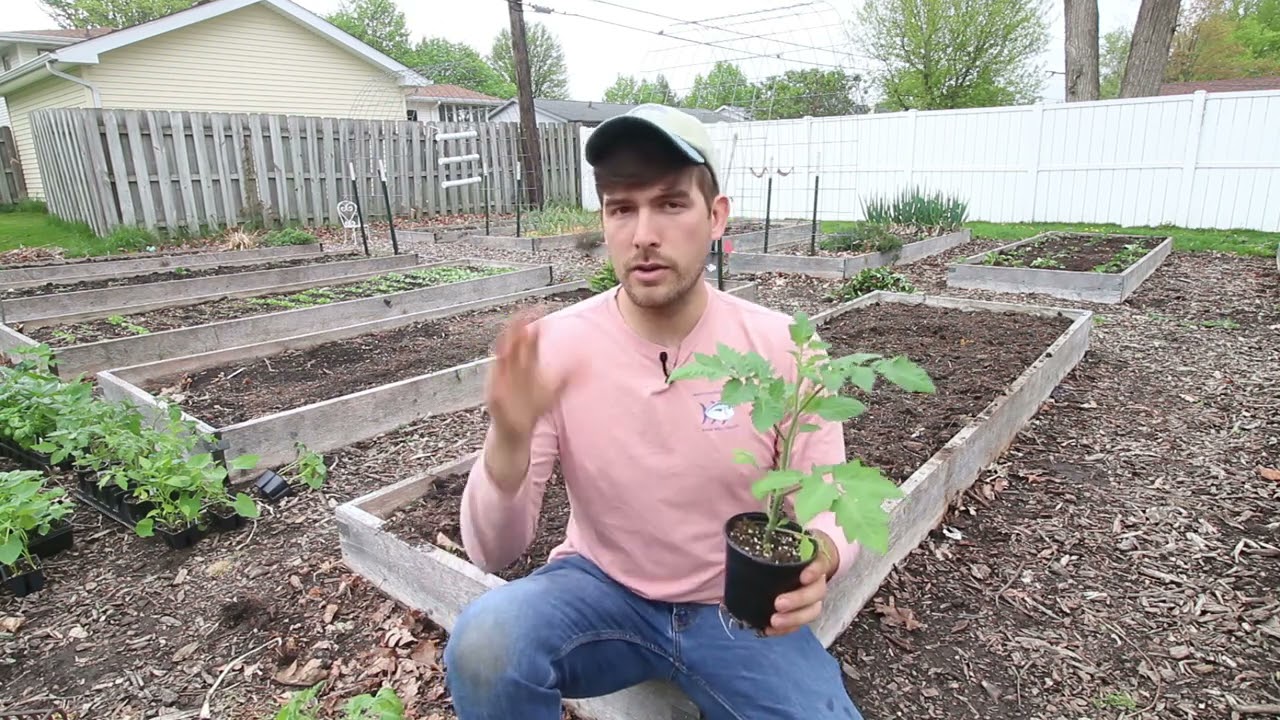
When transplanting tomato seedlings, it is crucial to handle them with care to avoid damaging the delicate roots. Prior to transplanting, harden off the seedlings by gradually exposing them to outdoor conditions over the course of a week. Dig holes deep enough to accommodate the root ball and plant the seedlings, ensuring they are placed at the same depth as they were in the nursery container.
After planting, gently firm the soil around the seedlings to eliminate air pockets and provide stability. Water the newly transplanted seedlings thoroughly to settle the soil around the roots and promote establishment.
Optimal Timeframes for Planting Tomatoes in Rhode Island
The optimal time to plant tomatoes in Rhode Island depends on the local climate and the desired harvest period. Generally, tomato seedlings can be transplanted into the garden when the danger of frost has passed and the soil has warmed up. In Rhode Island, this usually occurs around mid- to late May.
To extend the growing season, consider starting tomato seeds indoors six to eight weeks before the anticipated transplanting date. This allows the seedlings to establish a strong root system before being moved outdoors.
Taking Advantage of the Growing Season in Rhode Island
Rhode Island’s growing season provides ample opportunity for tomato cultivation. With a frost-free period from mid-May to mid-October, there is sufficient time for tomatoes to grow and produce a bountiful harvest. However, maximizing the growing season can be achieved by selecting early-maturing varieties and utilizing techniques such as season extenders, such as row covers or greenhouses, to protect plants from early or late frosts.
Dealing with Potential Frost and Cold Weather Concerns
Rhode Island’s climate poses the risk of late spring frosts or early fall frosts, which can damage or kill tomato plants. To mitigate this risk, consider using protective measures such as row covers or cloches to shield young plants from cold temperatures. Additionally, monitoring the weather forecast and covering the plants with blankets or sheets during frost events can provide temporary protection.
It is also advisable to keep a supply of frost protection materials, such as straw or mulch, on hand to cover the soil around the plants. This helps insulate the roots and retain soil warmth, reducing the risk of cold damage.
Tips for Maintaining and Caring for Tomato Plants
Proper maintenance and care are crucial for healthy tomato plants. Regularly check the soil moisture level and water the plants deeply when the top inch of soil feels dry. Avoid overhead watering to minimize the risk of disease.
Pruning tomato plants by removing suckers, which are the shoots that develop in the leaf axils, can promote better airflow and reduce the risk of diseases. Mulching around the base of the plants can help suppress weeds and conserve soil moisture.
Regularly monitor the plants for pests, such as aphids or tomato hornworms, and promptly take action if infestations occur. Applying organic pest control methods, such as introducing beneficial insects or using insecticidal soap, can help manage pest populations effectively.
Harvesting Tomatoes at the Right Time in Rhode Island
Knowing when to harvest tomatoes is crucial to ensure optimal flavor and quality. In Rhode Island, tomatoes are typically ready for harvest from midsummer to early fall, depending on the variety. Harvesting too early can result in underripe, flavorless fruits, while waiting too long can lead to overripe or split tomatoes.
Tomatoes should be harvested when they have reached their full color, are firm but slightly give under gentle pressure, and easily detach from the stem. It is best to harvest tomatoes in the morning when the fruits are cool and the flavors are at their peak.
By considering the local climate, soil conditions, and optimal timeframes for planting, Rhode Island gardeners can enjoy a bountiful harvest of delicious, homegrown tomatoes. With proper care and attention, these versatile plants can thrive and provide a source of fresh, flavorful tomatoes throughout the growing season.