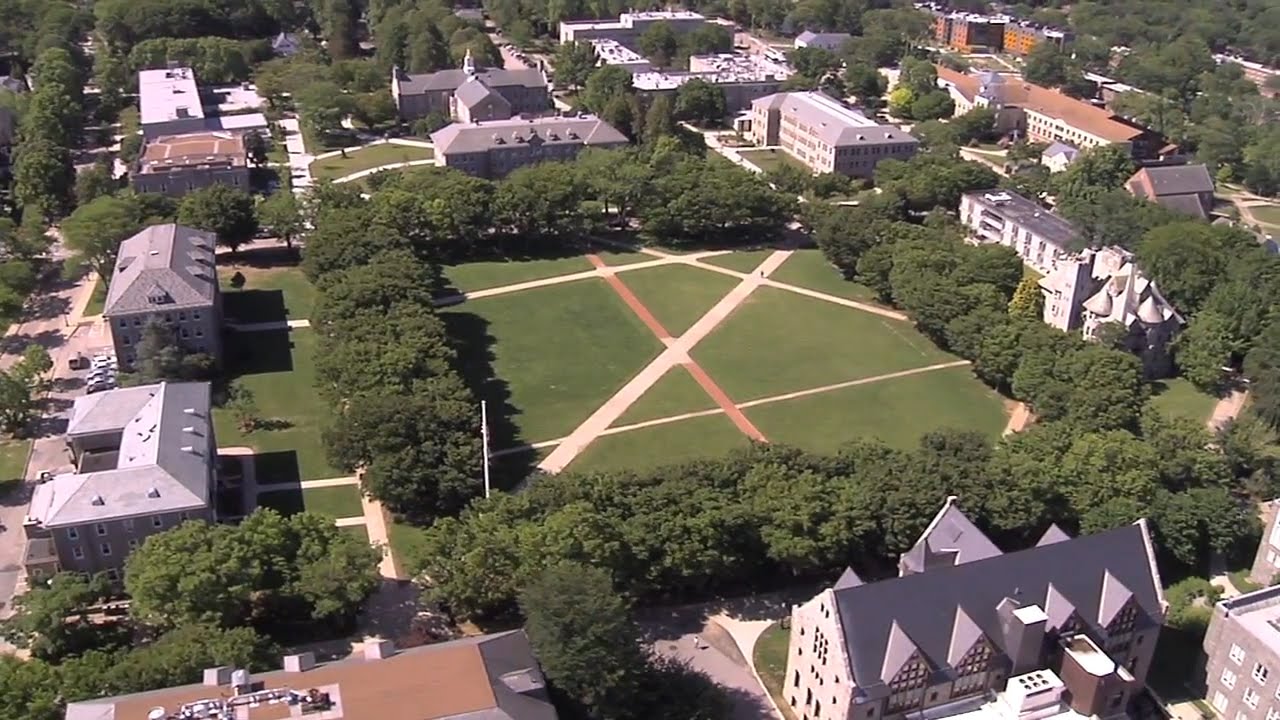
Introduction to Providence, Rhode Island
Providence, located in the state of Rhode Island, is the capital and largest city of the state. Situated in the New England region of the United States, Providence serves as an economic and cultural hub for the state. With its rich history, diverse population, and vibrant arts scene, Providence has become a popular destination for tourists and residents alike.
Importance of Population Data
Accurate population data is essential for understanding the needs and demands of a city’s residents. It serves as a foundation for urban planning, resource allocation, and policy-making. By analyzing population data, city officials can identify trends, predict future growth, and develop strategies to address the various social, economic, and environmental challenges that arise.
Historical Background of Providence
Providence was founded in 1636 by Roger Williams, a political and religious leader who sought religious freedom. The city played a significant role in the American Revolution and the Industrial Revolution, transforming from a small agricultural community to a thriving manufacturing center. Over the years, the city has experienced periods of growth and decline, adapting to changes in the economy and society.
Methodology of Population Calculation
The population of Providence is determined through various methods, including the United States Census Bureau’s decennial census and annual population estimates. The decennial census counts every resident of the city, while the annual estimates use a combination of birth and death records, immigration data, and survey information to estimate population changes.
Current Population of Providence
As of the most recent estimate, the population of Providence stands at approximately 179,883 residents. This figure represents a slight increase from previous years, indicating a slowly growing population trend. The actual population count may vary slightly due to factors such as migration, births, and deaths, which continually affect the city’s population.
Population Growth in Providence
Providence has witnessed steady population growth since its founding. However, the rate of growth has fluctuated over time. During the early 20th century, the city experienced rapid growth due to industrialization and immigration. In recent decades, the growth rate has slowed, reflecting broader demographic trends and economic shifts.
Factors Affecting Population
Several factors contribute to the population changes in Providence. Economic opportunities, quality of life, education, and housing affordability all play crucial roles in attracting and retaining residents. Additionally, migration patterns, both domestic and international, impact the population of Providence. Understanding these factors is essential for policymakers to address population fluctuations effectively.
Demographic Composition of Providence
Providence is known for its diverse population. It is a melting pot of different ethnicities, cultures, and backgrounds. According to the latest data, the city has a significant Hispanic and Latino population, followed by African Americans, Asians, and Caucasians. This diversity enriches the city’s social fabric and contributes to its vibrant cultural scene.
Population Density in Providence
Providence is a densely populated city, with a land area of approximately 20 square miles. The population density stands at around 8,994 people per square mile. The city’s compact layout and historic architecture contribute to this high density, with residential, commercial, and cultural activities concentrated in a relatively small area.
Comparison with Other Cities in Rhode Island
As the largest city in Rhode Island, Providence has a significantly higher population compared to other cities in the state. For instance, the second-largest city, Warwick, has a population of around 81,000, less than half of Providence’s. This stark contrast highlights the central role Providence plays in the state’s economic, cultural, and social landscape.
Future Projections for Providence’s Population
Projections for Providence’s population indicate a relatively stable growth rate in the coming years. While it is challenging to predict exact figures, experts estimate a slow but steady increase driven by factors such as urban revitalization efforts, improving job opportunities, and a favorable quality of life. These projections will help guide city planners and policymakers in addressing future challenges and opportunities.
Conclusion and Implications for Providence
Understanding the population dynamics of Providence is crucial for the city’s sustainable development. By analyzing population data, city officials can make informed decisions to address the needs and aspirations of residents. As Providence continues to evolve, its population will play a significant role in shaping the city’s future, ensuring that it remains a vibrant and inclusive community for generations to come.