Rhode Island’s population: the current figures
Rhode Island, the smallest state in the United States, has a population that is modest compared to its larger counterparts. As of the latest available data, the population of Rhode Island stands at approximately 1.06 million people. This figure is based on estimates from the U.S. Census Bureau, which conducts surveys and collects data to determine population counts.
Understanding the demographic data of Rhode Island
To get a comprehensive understanding of Rhode Island’s population, it is essential to analyze the demographic data. This data includes factors such as age distribution, ethnic makeup, urban versus rural population distribution, and projected population changes. By examining these factors, researchers can gain insights into the state’s population dynamics and trends.
Factors impacting Rhode Island’s population growth
Several factors contribute to the population growth or decline in Rhode Island. Economic conditions, job opportunities, and the cost of living play a significant role in influencing migration patterns. Additionally, factors such as birth rates, mortality rates, and immigration also impact population growth. An understanding of these factors is crucial for policymakers to plan for the future development of the state.
Rhode Island’s population trends over the years
Over the years, Rhode Island’s population has experienced notable fluctuations. In the mid-20th century, the state witnessed substantial population growth due to industrialization. However, in recent decades, Rhode Island’s population growth has slowed down. This trend can be attributed to various factors, including an aging population and outmigration to other states.
Population density in the smallest US state
Despite its small size, Rhode Island has a relatively high population density. With an area of just over 1,000 square miles, the state’s population is concentrated in urban areas, resulting in a density of approximately 1,019 people per square mile. This high population density is largely due to the state’s urbanization and limited land area.
Urban vs. rural population distribution in Rhode Island
Rhode Island has a predominantly urban population, with the majority of residents living in cities and their surrounding areas. The state’s capital and largest city, Providence, is the most populous city in Rhode Island. However, there are also rural areas in the state, particularly in the western and southern regions, where agricultural activities are prevalent.
Demographics of Rhode Island’s major cities
Rhode Island’s major cities exhibit diverse demographics. Providence, the capital, is known for its cultural and ethnic diversity. It has a sizeable Hispanic population, along with significant African American, Asian, and European American communities. Other major cities in the state, such as Warwick and Cranston, also have diverse populations, with varying ethnic and racial backgrounds.
The ethnic makeup of Rhode Island’s population
Rhode Island is a melting pot of different ethnicities and cultures. The state has a rich history of immigration, contributing to its diverse ethnic makeup. According to census data, the largest ethnic groups in Rhode Island are European Americans, followed by Hispanic and Latino Americans, African Americans, and Asian Americans. This diversity adds to the state’s cultural vibrancy.
Rhode Island’s population age distribution
Rhode Island has an aging population, with a relatively high median age compared to the national average. The state’s older population poses challenges for healthcare, social services, and workforce development. However, efforts are being made to address these challenges and ensure the well-being of older residents.
Projected population changes for Rhode Island
Based on projections from the U.S. Census Bureau, Rhode Island’s population is expected to experience modest growth in the coming years. These projections take into account factors such as birth rates, mortality rates, and migration patterns. However, it is important to note that population projections are subject to change based on various factors, such as economic conditions and government policies.
Comparing Rhode Island’s population with other states
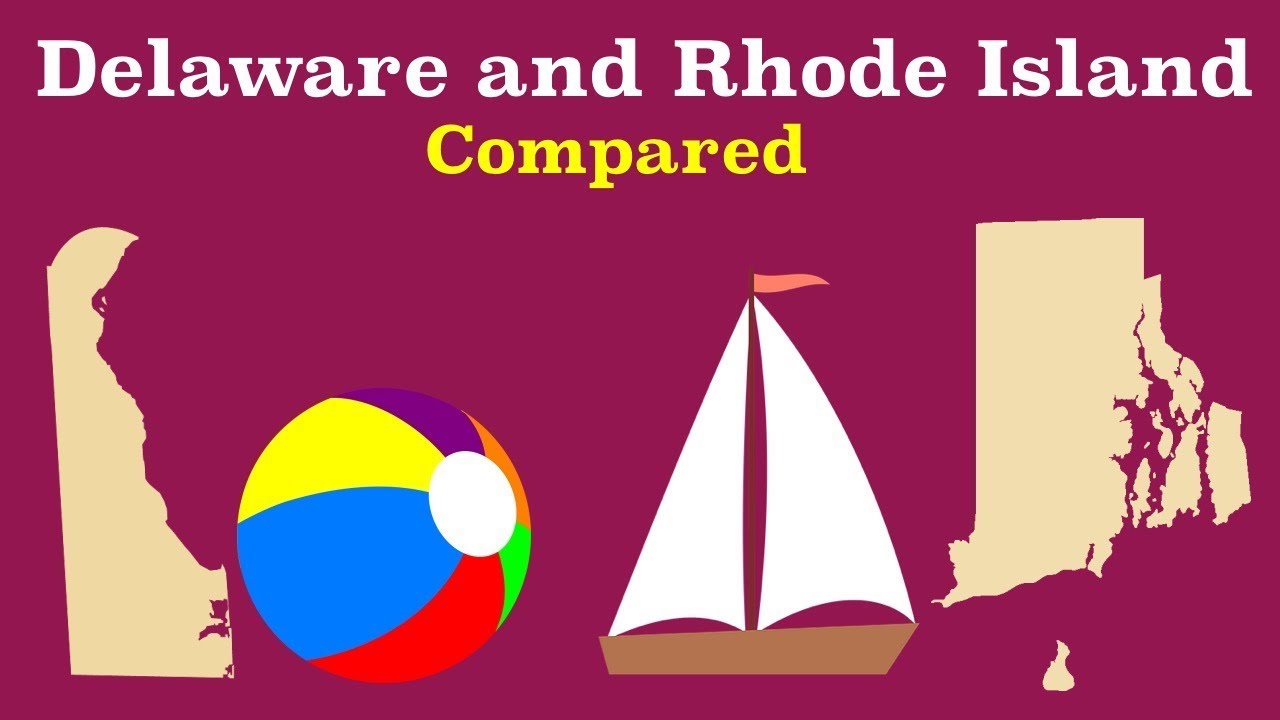
In comparison to other states, Rhode Island ranks among the smallest in terms of population. However, its small size does not diminish its significance. Rhode Island’s population plays a vital role in the state’s economy, politics, and cultural landscape. By comparing population figures among states, policymakers and researchers can gain insights into the unique challenges and opportunities that Rhode Island faces.