Introduction to lettuce cultivation in Rhode Island
Lettuce is a popular crop in Rhode Island, known for its versatility and nutritional benefits. Cultivating lettuce can be a rewarding experience, but it requires careful planning and timing to ensure a successful harvest. In this article, we will explore the recommended time to sow lettuce seeds in Rhode Island, taking into consideration the climate conditions and other factors that influence optimal sowing.
Importance of sowing lettuce seeds at the right time
Sowing lettuce seeds at the right time is crucial for maximizing growth and yield. Lettuce is a cool-season crop, which means it thrives in cooler temperatures and can be adversely affected by extreme heat or cold. By sowing seeds at the appropriate time, gardeners can ensure that the lettuce plants have optimal conditions for germination, growth, and fruiting.
Understanding the climate conditions in Rhode Island
Rhode Island experiences a humid continental climate, characterized by hot summers and cold winters. The average temperature in the state ranges from 71°F (22°C) in summer to 32°F (0°C) in winter. The frost-free period typically lasts from mid-May to mid-October. These climate conditions play a significant role in determining the ideal time for sowing lettuce seeds.
Factors influencing the optimal sowing time for lettuce
Several factors influence the optimal sowing time for lettuce in Rhode Island. These include the average temperature, frost dates, soil temperature, and the specific variety of lettuce being cultivated. Lettuce prefers cooler temperatures for germination and growth, so sowing too early or too late can result in poor germination or bolting, where the plant prematurely produces flowers and seeds.
Recommended time frame for sowing lettuce seeds
In Rhode Island, the recommended time for sowing lettuce seeds is in early spring when the soil has thawed and is workable. This is typically around mid-April, depending on the weather conditions. Sowing lettuce seeds too early, when the soil is still cold and wet, can lead to poor germination and stunted growth. Similarly, sowing too late in the season increases the risk of the plants bolting in response to the heat.
Exploring the ideal soil temperature for lettuce cultivation
Lettuce seeds germinate best at soil temperatures between 40°F (4°C) and 75°F (24°C). In Rhode Island, the soil temperature usually reaches these optimal levels by mid-April. Gardeners can use a soil thermometer to monitor the temperature and ensure that it falls within the recommended range before sowing lettuce seeds. If the soil is too cold, using a cold frame or starting seeds indoors can help provide the necessary warmth for successful germination.
Impact of frost on lettuce seeds and recommended precautions
Frost can be detrimental to lettuce seeds and seedlings. Even a light frost can damage or kill young lettuce plants. This is why it is important to consider the last expected frost date in Rhode Island, which is typically around mid-to-late April, before sowing lettuce seeds. To protect against unexpected late frosts, gardeners can use row covers, cloches, or other protective measures to shield the plants from the cold.
Early sowing vs. delayed sowing in Rhode Island
Gardeners in Rhode Island often face the dilemma of whether to sow lettuce seeds early or delay sowing until after the last frost. While early sowing can result in a longer growing season and an earlier harvest, it also carries the risk of frost damage. On the other hand, delayed sowing reduces the risk of frost but may result in a shorter growing period. It is advisable to strike a balance between these considerations based on the specific conditions and preferences of each gardener.
Evaluating the benefits of sowing lettuce indoors
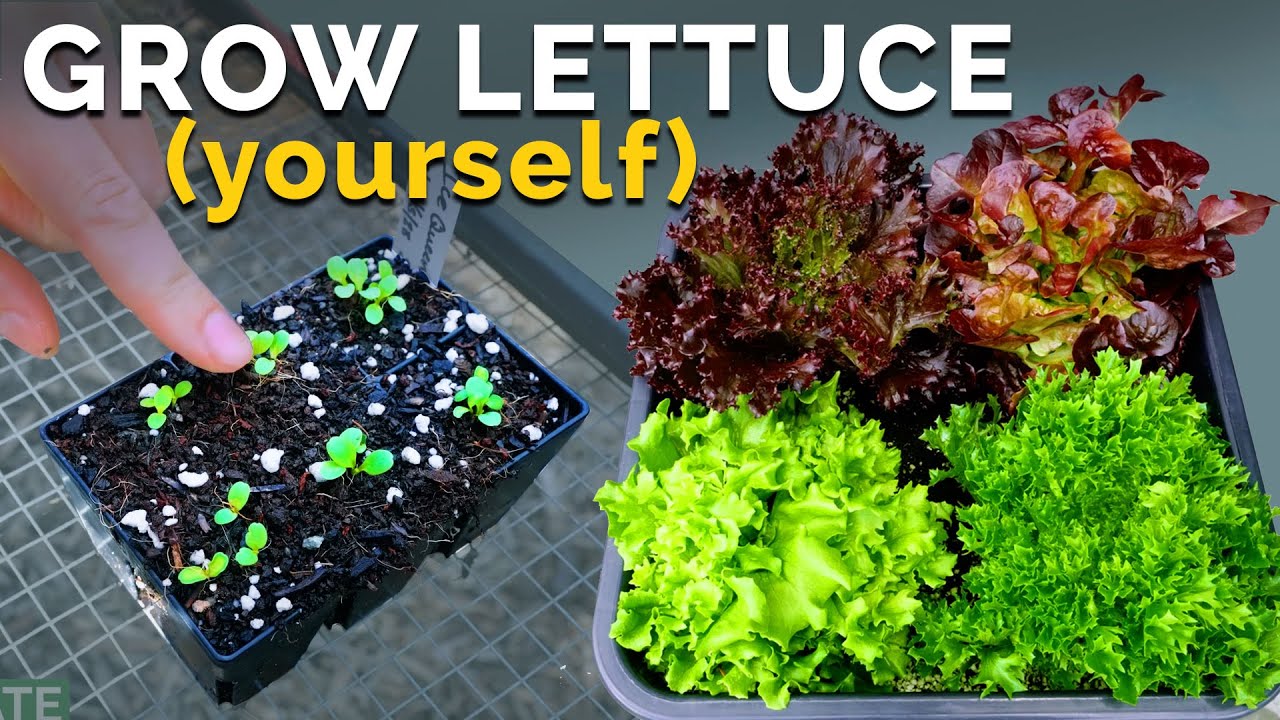
To get a head start on the growing season, many gardeners in Rhode Island choose to sow lettuce seeds indoors. Indoor sowing allows for greater control over the germination and early growth stages of the plants. By starting seeds indoors, gardeners can provide a warm and stable environment, ensuring optimal germination rates and healthier seedlings. Once the danger of frost has passed, these seedlings can be transplanted into the garden.
Extending the growing season through succession planting
To extend the lettuce harvest throughout the season, gardeners can employ a technique called succession planting. This involves sowing lettuce seeds in multiple batches, often with a few weeks’ interval between each planting. By staggering the sowings, gardeners can ensure a continuous supply of fresh lettuce throughout the growing season. Succession planting is particularly useful in Rhode Island, where the summers can be hot, causing lettuce to bolt quickly.
Adapting sowing times for different lettuce varieties
Different lettuce varieties have varying temperature and light requirements. Some varieties, such as butterhead lettuce, are more cold-tolerant and can be sown earlier in the season. Others, like romaine lettuce, prefer slightly warmer temperatures and may be better suited for later sowings. It is essential to consider the specific needs of each lettuce variety and adjust the sowing times accordingly to optimize growth and yield.
Expert tips and best practices for successful lettuce cultivation
For successful lettuce cultivation in Rhode Island, here are some expert tips and best practices to keep in mind:
- Prepare the soil by incorporating organic matter and ensuring good drainage.
- Sow lettuce seeds at the recommended time, considering the average temperature and last frost date.
- Monitor soil temperature to ensure it falls within the optimal range for germination.
- Protect young lettuce plants from frost using row covers or other protective measures.
- Consider sowing lettuce seeds indoors for an early start to the growing season.
- Practice succession planting to extend the harvest period.
- Provide consistent moisture to the lettuce plants, as they prefer evenly moist soil.
- Harvest lettuce leaves as needed, maintaining a balance between continuous harvesting and allowing the plants to grow.
- Rotate lettuce crops each year to prevent the buildup of diseases and pests in the soil.
- Keep an eye out for common lettuce pests, such as aphids and slugs, and take appropriate measures to control them.
By following these tips and adapting sowing times to Rhode Island’s climate, gardeners can enjoy a bountiful and delicious lettuce harvest.