Introduction to Block Island, Rhode Island
Block Island is a picturesque island located in the Atlantic Ocean, approximately 13 miles south of the Rhode Island mainland. It is a part of Washington County and is known for its stunning natural beauty, rich history, and vibrant tourism industry. The island, which covers an area of approximately 11 square miles, is a popular destination for those seeking a peaceful retreat from the hustle and bustle of city life.
Geographical Location of Block Island
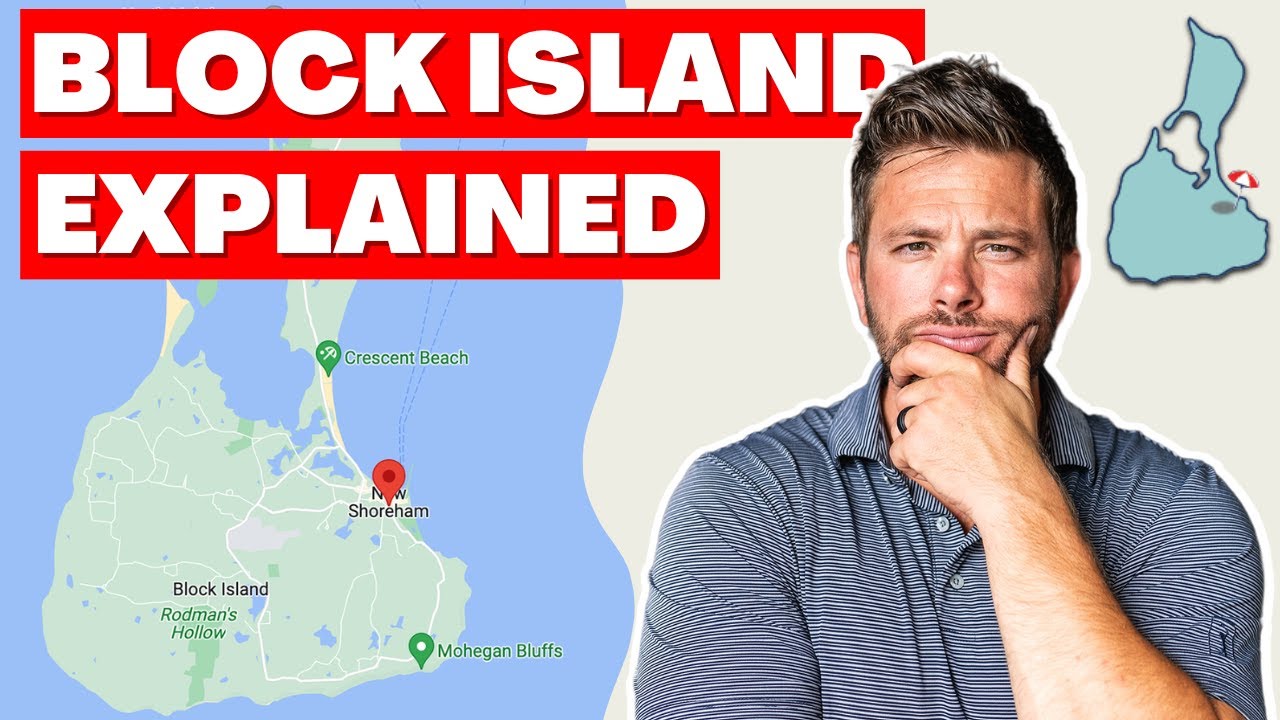
Block Island is situated at a latitude of 41.1667° N and a longitude of 71.5833° W. It is surrounded by the Atlantic Ocean, with Montauk, Long Island, to its west and Point Judith, Rhode Island, to its northeast. The island is composed of several smaller islands, including Great Salt Pond, which is the largest saltwater pond in the state of Rhode Island.
History and Settlement of Block Island
Block Island has a rich history that dates back thousands of years. The island was originally inhabited by the Narragansett Native American tribe, who called it "Manisses." In 1614, the Dutch explorer Adriaen Block encountered the island, which was later named after him. European settlers arrived in the mid-17th century, establishing a farming and fishing community. Over the years, Block Island has experienced periods of prosperity and hardship, including the devastation caused by hurricanes and wars.
Physical Characteristics of Block Island
Block Island boasts diverse physical characteristics, including stunning beaches, rolling hills, and dramatic cliffs. The island is primarily composed of sand and clay, and its highest point, known as Beacon Hill, reaches an elevation of 246 feet above sea level. The coastline of Block Island stretches for approximately 17 miles, offering breathtaking views and opportunities for exploration.
Climate and Weather Patterns on Block Island
Block Island experiences a temperate climate, characterized by mild summers and cool winters. The island benefits from the moderating influence of the Atlantic Ocean, which helps to maintain relatively stable temperatures throughout the year. Summers are typically pleasant, with average highs in the 70s°F (around 20-25°C), while winters can be chilly, with average temperatures ranging from the 20s°F to the 40s°F (-5°C to 10°C).
Flora and Fauna of Block Island
Block Island is home to a diverse range of flora and fauna, making it a haven for nature lovers and wildlife enthusiasts. The island’s vegetation includes coastal grasses, wildflowers, and shrubs such as bayberry and beach plum. Rare and migratory bird species, including the Piping Plover, can often be spotted on the island’s beaches. Common wildlife sightings on Block Island include white-tailed deer, raccoons, and a variety of marine life, such as seals and sea birds.
Tourism and Recreation on Block Island
Tourism plays a vital role in the economy of Block Island. The island’s natural beauty and peaceful ambiance attract visitors from near and far. Popular activities for tourists include swimming, sunbathing, hiking, biking, and exploring the island’s historic sites. Block Island offers a wide range of recreational opportunities, from relaxing on its pristine beaches to enjoying water sports like kayaking and paddleboarding.
Transportation Options to Block Island
There are several transportation options available for reaching Block Island. Visitors can choose to take a ferry from the mainland, with regular services operating from Point Judith in Rhode Island and New London in Connecticut. Alternatively, there is a small airport on the island that offers flights from various locations on the East Coast. Once on Block Island, transportation is primarily provided by taxis, rental bicycles, and mopeds.
Accommodation and Facilities on Block Island
Block Island offers a variety of accommodations to suit different tastes and budgets. Visitors can choose from quaint bed and breakfasts, beachfront hotels, and vacation rentals. The island also provides a range of facilities and amenities, including restaurants, shops, and recreational equipment rentals. Despite its small size, Block Island offers everything needed to ensure a pleasant and enjoyable stay for its visitors.
Size and Population of Block Island
Block Island spans approximately 11 square miles, making it the smallest town in the smallest county of Rhode Island. As of the 2020 census, the island has a permanent population of around 1,000 residents. However, during the peak summer months, the population significantly increases as tourists flock to the island to enjoy its natural beauty and recreational opportunities.
Economy and Industries on Block Island
The economy of Block Island relies heavily on tourism and related industries. The island’s pristine beaches, scenic landscapes, and historical sites attract thousands of visitors each year, providing employment opportunities in hospitality, retail, and transportation sectors. Additionally, fishing and aquaculture contribute to the local economy, with several commercial fishing operations operating from the island.
Conservation Efforts on Block Island
Block Island is committed to preserving its natural resources and protecting its unique ecosystem. Various conservation efforts are in place to safeguard the island’s flora, fauna, and coastal habitats. Organizations like the Block Island Conservancy and the Nature Conservancy work towards preserving the island’s natural beauty and educating visitors about sustainable practices. These conservation initiatives ensure that future generations will be able to enjoy the unspoiled charm of Block Island for years to come.