
Introduction to Providence, Rhode Island
Providence, the capital city of Rhode Island, is a vibrant and historically significant city located in the New England region of the United States. As the largest city in the state, it serves as the economic and cultural center of Rhode Island. With its rich history, diverse population, and thriving urban development, Providence has become an attractive destination for residents and tourists alike.
Historical Background of Providence
Providence was founded in 1636 by Roger Williams, a religious exile from the Massachusetts Bay Colony. Williams sought to establish a community that would offer religious freedom and separation from the Church of England. This vision laid the foundation for the principles of tolerance and individual liberties with which Providence is often associated. Over the years, the city grew rapidly as a hub for maritime trade and industrialization, playing a significant role in the American Revolution and the Industrial Revolution.
Geographical Location of Providence
Providence is situated in the northeastern part of the United States, specifically in the state of Rhode Island. It is located on the eastern bank of the Providence River, which flows into the Narragansett Bay. Geographically, Providence is positioned at approximately 41.8230° N latitude and 71.4128° W longitude. The city’s strategic coastal location has contributed to its historical prominence and economic prosperity.
Population and Demographics of Providence
As of the latest estimates, Providence has a population of around 179,883 residents. The city is known for its cultural diversity, with various ethnic groups contributing to its vibrant tapestry. According to the United States Census Bureau, the racial makeup of Providence is approximately 44.7% White, 38.3% Hispanic or Latino, 14.9% Black or African American, and 6.1% Asian. Providence’s demographics reflect a rich blend of different cultures and traditions, fostering a dynamic and inclusive community.
Providence’s Area and Size
Providence spans an area of approximately 20.5 square miles, making it the largest city in Rhode Island. The city’s size allows for a diverse range of neighborhoods, parks, and recreational areas. Its compactness ensures that residents and visitors can easily navigate the city and access its many amenities, including educational institutions, healthcare facilities, and entertainment venues.
Comparison of Providence’s Size with Other Cities
In terms of size, Providence falls within the mid-range when compared to other major cities in the United States. For instance, it is significantly smaller than sprawling metropolises like New York City or Los Angeles, but larger than compact cities like Boston or San Francisco. Providence’s moderate size allows for a balance between urban conveniences and a sense of community, making it an attractive place to live and work.
Providence’s Land and Water Area
Providence’s land area accounts for approximately 18.5 square miles, while its water area covers approximately 2 square miles. The city’s proximity to the Providence River and the Narragansett Bay provides ample opportunities for water-based recreational activities, such as boating and fishing. The city’s commitment to preserving its natural resources ensures that residents can enjoy both the urban environment and the beauty of the surrounding waterways.
Neighborhoods in Providence
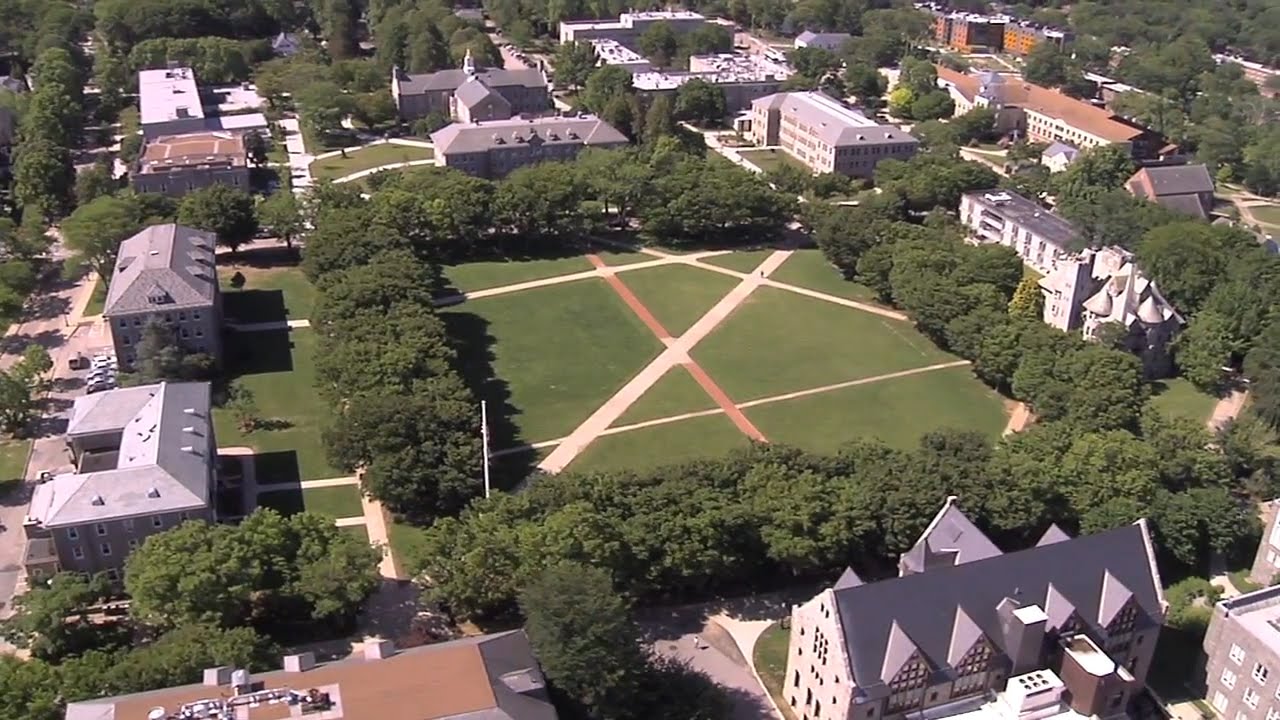
Providence is composed of several distinct neighborhoods, each with its own unique character and charm. Some notable neighborhoods include Downtown, Federal Hill, College Hill, and East Side. Downtown, the heart of the city, boasts a bustling commercial district and numerous entertainment venues. Federal Hill is renowned for its vibrant Italian-American community and delectable cuisine, while College Hill is home to prestigious educational institutions such as Brown University and the Rhode Island School of Design. The East Side offers a mix of residential areas and recreational spaces, including the beautiful Blackstone Boulevard Park.
Parks and Recreational Areas in Providence
Providence is dedicated to providing residents with ample green spaces and recreational areas. The city boasts numerous parks, including Roger Williams Park, which spans over 400 acres and features a zoo, botanical gardens, and a carousel. Waterplace Park, located downtown, offers a scenic riverwalk alongside the Providence River. Prospect Terrace Park provides panoramic views of the city, while India Point Park is a popular spot for picnicking and enjoying waterfront activities. These parks contribute to the city’s quality of life, providing residents with opportunities for outdoor recreation and relaxation.
Urban Development in Providence
Over the past few decades, Providence has undergone significant urban development, revitalizing its downtown area and attracting new businesses and residents. The city has embraced mixed-use developments, historic preservation, and public art initiatives. Noteworthy projects include the Providence Place Mall, WaterFire Providence, and the Knowledge District. These efforts have transformed Providence into a vibrant and modern city, while still preserving its historical charm.
Transportation in Providence
Providence offers an efficient transportation system that facilitates easy movement within and around the city. The Rhode Island Public Transit Authority (RIPTA) operates an extensive bus network, connecting various neighborhoods and surrounding towns. The city is also served by the Providence Station, a major transportation hub providing Amtrak train services and connections to other cities along the Northeast Corridor. Additionally, Providence’s compact size makes it pedestrian-friendly, with many residents opting to walk or bike to reach their destinations.
Conclusion: Providence’s Size and Significance
Providence, Rhode Island, encompasses a land area of approximately 20.5 square miles and is home to a diverse population of around 179,883 residents. Its moderate size allows for a balance between urban conveniences and a sense of community, making it an attractive place to live and work. With its rich history, diverse neighborhoods, ample green spaces, and ongoing urban development, Providence continues to thrive as a vibrant and significant city in the United States.