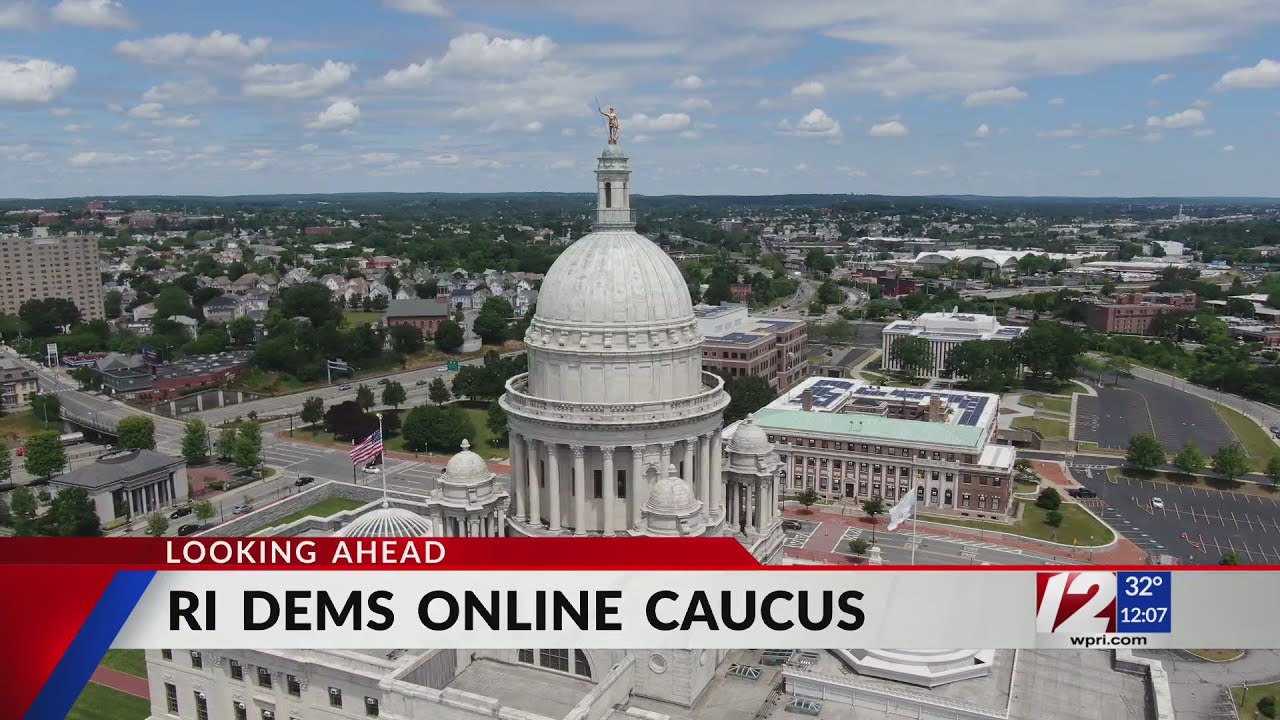
Rhode Island House of Representatives: An Overview
The Rhode Island House of Representatives is one of the two chambers of the Rhode Island General Assembly, the legislative branch of the state government. It plays a vital role in the lawmaking process and represents the interests of the people at the state level. The House of Representatives, along with the Senate, forms a bicameral legislature that ensures a balanced and effective governance system for the state of Rhode Island.
The Significance of the House of Representatives in Rhode Island’s Government
The House of Representatives holds great significance in Rhode Island’s government. It is responsible for proposing, debating, and passing laws that affect the lives of its citizens. The House acts as a forum for representing and addressing the concerns of various districts throughout the state. It also plays a crucial role in the budgetary process by reviewing and approving the state’s annual budget.
Understanding the Role of Representatives in Rhode Island’s Legislative System
Representatives in Rhode Island’s House of Representatives are elected to serve a two-year term. Their primary responsibility is to represent the interests and concerns of their constituents. They actively participate in committee meetings, where they review proposed legislation and make recommendations. Representatives also engage in floor debates, where they have the opportunity to express their viewpoints and vote on proposed bills.
History and Evolution of the House of Representatives in Rhode Island
The House of Representatives in Rhode Island has a rich history that dates back to colonial times. It was originally established in 1663 under the Royal Charter granted by King Charles II. Over the years, the House has evolved to adapt to the changing needs and demographics of the state. Today, it plays a critical role in shaping the legislative landscape of Rhode Island.
How are House of Representatives Elected in Rhode Island?
House of Representatives members in Rhode Island are elected through a democratic process. The state is divided into 75 districts, with each district electing one representative. These representatives are chosen through general elections held every two years. Candidates running for office must meet certain eligibility requirements, including residency and age, to be eligible for election.
The Composition and Structure of the Rhode Island House of Representatives
The Rhode Island House of Representatives is structured to ensure fair representation across the state. As mentioned earlier, it consists of 75 members, each representing a specific district. The Speaker of the House, elected by the representatives themselves, serves as the presiding officer and plays a crucial role in leading the legislative process. The House is further divided into various committees that focus on specific areas of legislation.
What is the Current Total Number of Representatives in Rhode Island?
As of the present, there are 75 representatives in the Rhode Island House of Representatives. Each representative serves a unique district, ensuring that every corner of the state has a voice in the legislative process. The number of representatives has remained constant since the last redistricting in 2012, providing stability and consistency in the state’s governance.
Factors Affecting the Size of the House of Representatives in Rhode Island
Several factors influence the size of the House of Representatives in Rhode Island. One significant factor is population growth and shifts within the state. Redistricting, which occurs every ten years, helps to maintain a fair and equitable distribution of representatives based on population changes. Other factors may include shifts in political power, legal considerations, and the need for effective representation.
Comparing Rhode Island’s House of Representatives to Other States
Rhode Island’s House of Representatives is relatively small compared to other states. Its size is determined by the state’s population and the need for adequate representation. Larger states typically have a larger number of representatives to ensure that the interests of all citizens are adequately represented. However, Rhode Island’s smaller population allows for a more intimate and accessible legislative process.
The Impact of Population on Representation in Rhode Island
Population plays a crucial role in determining representation in the Rhode Island House of Representatives. The 75 districts are designed to have roughly equal population sizes, ensuring that each representative represents a similar number of constituents. This principle, known as "one person, one vote," ensures that every citizen’s voice carries equal weight and that their concerns are effectively heard and addressed within the legislative process.
Arguments For and Against Adjusting the Number of Representatives in Rhode Island
There are ongoing debates surrounding the adjustment of the number of representatives in Rhode Island’s House of Representatives. Advocates for increasing the number argue that a larger legislature would allow for more diverse representation and a better reflection of the state’s population. Conversely, those against increasing the number argue that a smaller legislature promotes efficiency and reduces the risk of government becoming overly bureaucratic.
Ensuring Fair Representation: Future Prospects for Rhode Island’s House
As Rhode Island continues to evolve and grow, the future of its House of Representatives remains a topic of discussion. Ensuring fair representation will always be a priority. Regular redistricting, alongside ongoing discussions about adjusting the size of the House, will help to maintain a democratic system that accurately reflects the needs and wishes of the people of Rhode Island. These efforts will ultimately contribute to a balanced and effective governance system that serves the best interests of the state and its citizens.