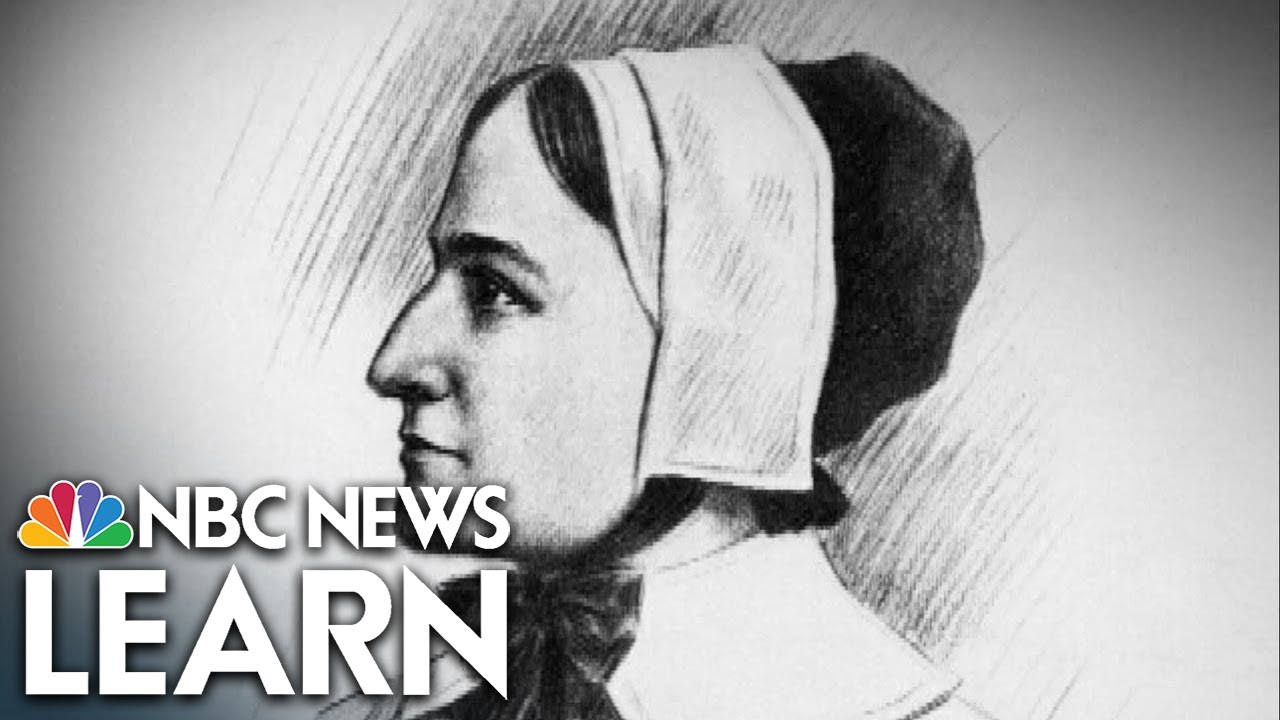
Introduction to Anne Hutchinson
Anne Hutchinson was a prominent figure in early American history, known for her religious teachings and subsequent banishment from the Massachusetts Bay Colony. Born in England in 1591, Hutchinson was raised in a Puritan family and developed a strong religious conviction that would later shape her actions and beliefs. Her relocation to Rhode Island played a significant role in shaping the religious landscape of the New World and her legacy as a champion of religious freedom.
Puritan background and religious beliefs
Growing up in a devout Puritan family, Hutchinson was exposed to strict religious practices and beliefs. Puritans believed in predestination, the concept that God had already chosen who would be saved or damned. Hutchinson, however, developed her own theological ideas, challenging the traditional Puritan doctrine. She believed that individuals could communicate directly with God, rejecting the authority of church ministers and emphasizing personal spiritual experiences.
Hutchinson’s arrival in Massachusetts Bay Colony
In 1634, Hutchinson and her family sailed to the Massachusetts Bay Colony, seeking religious freedom and the opportunity to practice their faith without persecution. The colony, founded by a group of Puritans, seemed like the ideal place for the Hutchinsons to settle and live according to their own religious convictions.
Hutchinson’s religious gatherings and teachings
Once settled in the Massachusetts Bay Colony, Hutchinson began holding religious gatherings in her home. These meetings attracted a large following, as many individuals were drawn to her passionate preaching and unorthodox beliefs. Hutchinson’s teachings emphasized the importance of personal revelation and the role of grace in salvation, challenging the established Puritan hierarchy.
Growing opposition to Hutchinson’s views
As Hutchinson gained popularity, she also faced growing opposition from religious and political leaders in the Massachusetts Bay Colony. Many saw her teachings as a threat to the established religious order and accused her of spreading dangerous and heretical ideas. Her prominence and influence led to increasing tensions within the colony.
Trial and banishment from Massachusetts
In 1637, Hutchinson was put on trial by the General Court of Massachusetts. The trial was highly contentious, with Hutchinson defending her beliefs and refusing to recant her teachings. Ultimately, she was declared guilty of heresy and banished from the colony, along with her followers. This marked a significant turning point in Hutchinson’s life and set the stage for her search for a new home.
Hutchinson’s search for a new home
Following her banishment, Hutchinson, along with a group of like-minded individuals, embarked on a search for a place where they could freely practice their religious beliefs. They were seeking a location that offered religious tolerance and the opportunity to establish a community based on their own principles.
Factors leading to relocation to Rhode Island
Rhode Island, under the leadership of Roger Williams, emerged as an attractive destination for Hutchinson and her followers. Williams, who had also been banished from Massachusetts Bay Colony due to his religious beliefs, had established a colony in Rhode Island that espoused religious freedom and welcomed those seeking refuge from religious persecution.
Roger Williams and Hutchinson’s relationship
Anne Hutchinson and Roger Williams had a close relationship, sharing similar religious perspectives and facing similar challenges in the Massachusetts Bay Colony. Williams provided Hutchinson with support and guidance during her banishment, and they both saw Rhode Island as a place where their religious ideals could flourish. Their shared commitment to religious freedom laid the foundation for their collaboration in establishing a new settlement.
Establishment of Portsmouth, Rhode Island
In 1638, Hutchinson and her followers settled in what is now Portsmouth, Rhode Island. They established a new community based on the principles of religious freedom and tolerance. Hutchinson’s influence was significant in shaping the religious landscape of the new settlement, which became a haven for those seeking a refuge from religious persecution.
Hutchinson’s influence in Rhode Island
Hutchinson’s legacy in Rhode Island was profound. Her teachings and beliefs had a lasting impact on the religious and political culture of the colony. The principles of religious freedom and the separation of church and state, championed by Hutchinson and Williams, became integral to the identity of Rhode Island and influenced the development of religious freedom in America.
Legacy of Anne Hutchinson’s relocation
Anne Hutchinson’s relocation to Rhode Island has left a lasting legacy in American history. Her courageous stance for religious freedom challenged the established order and paved the way for the eventual separation of church and state. Hutchinson’s influence on the religious landscape of Rhode Island and her role in shaping the principles of religious freedom continue to be celebrated today.
Conclusion and significance of Hutchinson’s move
Anne Hutchinson’s relocation to Rhode Island was driven by her search for a place where she and her followers could freely practice their religious beliefs. Rhode Island, under the leadership of Roger Williams, offered a haven for those seeking refuge from religious persecution and became the site of Hutchinson’s influential teachings. Hutchinson’s move to Rhode Island was significant in shaping the religious and political culture of the New World and remains an enduring symbol of the pursuit of religious freedom.