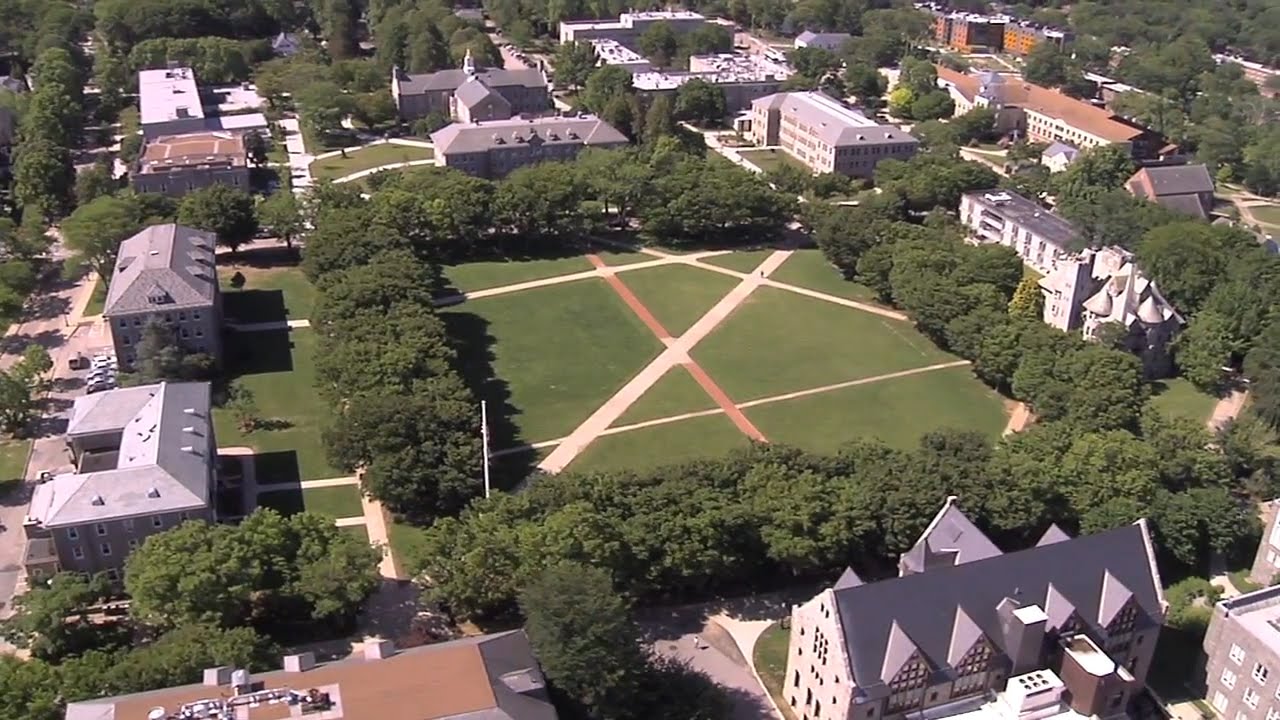
Introduction: The Geographical Location of Rhode Island
Rhode Island, despite its name, is not actually a separate country, but rather a state located in the United States. Situated in the New England region of the country, Rhode Island is the smallest state by land area. Although it is known as "The Ocean State" due to its extensive coastline, Rhode Island is not an island itself. Its unique location and characteristics make it a fascinating place to explore and learn about.
Understanding the United States’ State of Rhode Island
Rhode Island, officially known as the State of Rhode Island and Providence Plantations, is one of the fifty states that make up the United States of America. With an area of just 1,214 square miles, it is the smallest state in terms of land area. Despite its size, Rhode Island has a rich history and vibrant culture that sets it apart from other states.
Historical Origins: How Rhode Island Became a State
Rhode Island’s journey to statehood began in the 17th century when it was founded by Roger Williams in 1636. Williams, a religious dissenter, sought to establish a colony where individuals could freely practice their beliefs. This pursuit of religious freedom became a defining characteristic of Rhode Island and was instrumental in the formation of the state. Rhode Island became the 13th state to join the United States on May 29, 1790.
Rhode Island’s Borders: Neighboring States and Waters
Rhode Island is bordered by two states: Connecticut to the west and Massachusetts to the north and east. Despite its small size, Rhode Island boasts an impressive coastline along the Atlantic Ocean, stretching approximately 40 miles. The state also encompasses several islands within its territory, including Aquidneck Island, home to the popular tourist destination of Newport.
Geographic Features: Landforms and Climate of Rhode Island
Rhode Island’s terrain is characterized by a diverse landscape, including hills, forests, and coastal plains. The state’s highest point, Jerimoth Hill, stands at just 812 feet above sea level. The climate in Rhode Island is considered humid continental, with warm summers and cold winters. The proximity to the ocean moderates the temperature, making it milder compared to other states in the region.
The Capital City: Providence, Heart of Rhode Island
Providence, the capital city of Rhode Island, serves as the heart of the state. It is the most populous city and offers a vibrant mix of history, culture, and education. Providence is home to several prestigious universities, including Brown University and the Rhode Island School of Design. The city boasts a thriving arts scene, with numerous theaters, museums, and galleries to explore.
Population and Demographics of Rhode Island
As of 2021, Rhode Island has an estimated population of around 1.1 million people. Despite its small size, the state has a relatively dense population, with over 1,000 inhabitants per square mile. Rhode Island has a diverse population, with a mix of ethnicities and cultures. The largest ethnic group is white, followed by Hispanic, African American, and Asian communities. The state also has a significant Portuguese and Italian heritage.
Economic Significance: Industries and Trade in the State
Rhode Island’s economy is diverse, with key industries including healthcare, education, manufacturing, and tourism. The state is known for its strong maritime tradition and has a thriving boating and fishing industry. Additionally, Rhode Island has a reputation as a hub for the arts and creative industries, with a strong presence of design, film, and media companies. The Port of Providence plays a crucial role in the state’s trade and commerce, facilitating the import and export of goods.
Educational Opportunities in Rhode Island
Rhode Island offers a range of educational opportunities, with numerous colleges and universities within its borders. In addition to Ivy League institution Brown University, the state is home to other renowned universities such as the University of Rhode Island and Providence College. These institutions attract students from all over the world and contribute to the state’s intellectual and cultural vibrancy.
Cultural and Historical Landmarks of Rhode Island
Rhode Island is rich in cultural and historical landmarks that provide insight into its past. One notable landmark is the Newport Mansions, a collection of opulent Gilded Age estates showcasing the state’s history of wealth and luxury. Another significant site is the Roger Williams National Memorial, which commemorates the founder of Rhode Island. The state also embraces its maritime heritage, with attractions like the International Tennis Hall of Fame and the historic Touro Synagogue.
Tourism in Rhode Island: Attractions and Activities
Rhode Island’s diverse geography and cultural offerings make it a popular tourist destination. Visitors can enjoy the vibrant waterfront of Newport, explore the historic streets of Providence, or relax on the picturesque beaches along the coastline. The state is also known for its scenic drives, including the Ocean Drive in Newport and the East Bay Bike Path, which offers stunning views of the surrounding landscapes.
Conclusion: The Unique Place of Rhode Island in the United States
Rhode Island may be the smallest state in the United States, but its significance and allure extend far beyond its size. With its rich history, diverse population, and stunning landscapes, Rhode Island offers a unique blend of cultural, historical, and natural attractions. Whether it’s exploring the streets of Providence, visiting the iconic Newport Mansions, or enjoying the coastal beauty, Rhode Island has something to offer for everyone. Its distinctive character and contributions make it a truly exceptional state within the United States.