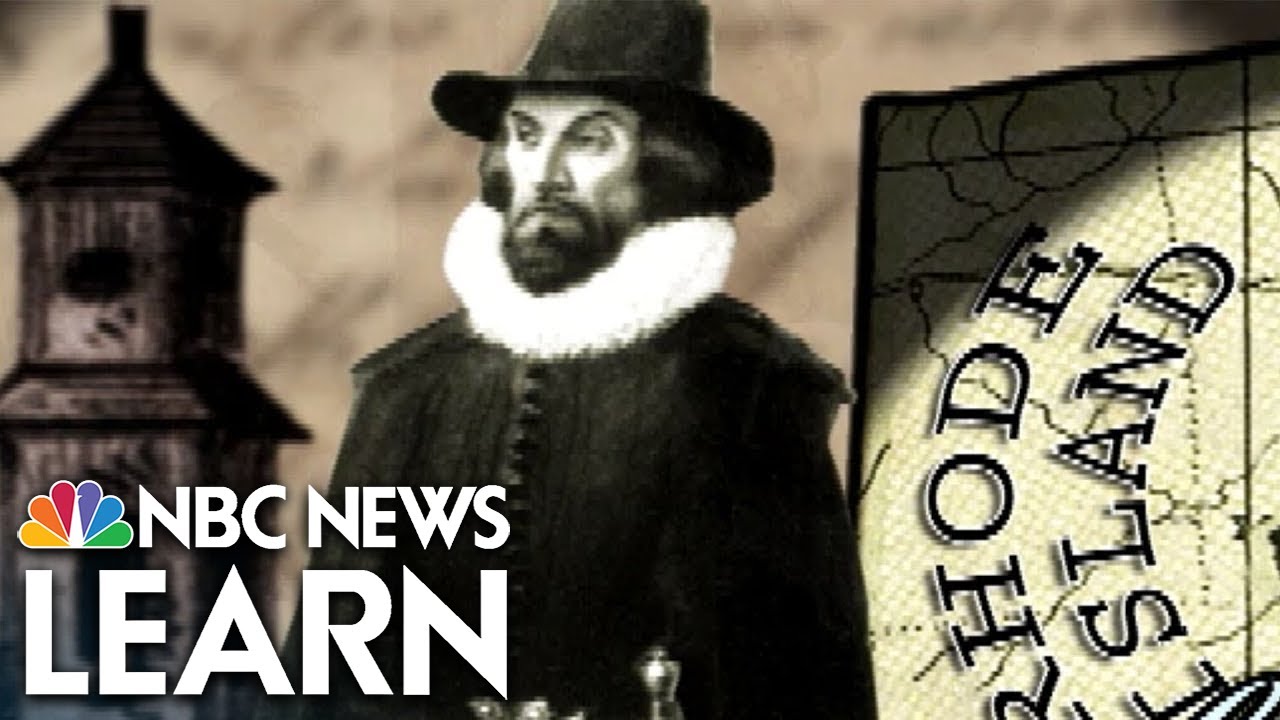
Introduction to the Rhode Island Colony
The Rhode Island Colony, founded in 1636, played a significant role in the early history of the United States. It was established as a haven for religious freedom, attracting individuals who sought to escape religious persecution in other colonies. The colony quickly became known for its tolerance, diversity, and commitment to individual liberties. Several influential individuals emerged during this time and left their lasting imprint on the development and character of the colony.
Roger Williams: Founder and Prominent Figure
Roger Williams is widely regarded as the founder and one of the most prominent figures in the Rhode Island Colony. He was a Puritan minister who firmly believed in the separation of church and state, an idea that was revolutionary at the time. Williams was banished from the Massachusetts Bay Colony due to his outspoken views, which led him to settle in what is now Providence, Rhode Island. He established a government based on the principles of religious freedom and fair treatment of Native Americans, setting the stage for the colony’s future.
Anne Hutchinson: Key Figure in Rhode Island’s History
Anne Hutchinson was another key figure in the history of the Rhode Island Colony. She was a strong advocate for religious freedom and women’s rights, challenging the religious establishment of the Massachusetts Bay Colony. Hutchinson, along with her followers, faced persecution and eventually found refuge in Rhode Island. Her influence on the colony was significant, as she encouraged religious tolerance and the empowerment of women in the community.
Samuel Gorton: Influential Personality in the Colony
Samuel Gorton played a crucial role in shaping the Rhode Island Colony. He was a controversial figure who clashed with the authorities in Massachusetts and Plymouth colonies due to his unorthodox religious beliefs. Gorton settled in Rhode Island and was instrumental in the establishment of Warwick, one of the key towns in the colony. Despite facing opposition, Gorton’s determination and leadership skills contributed to the growth and stability of the Rhode Island Colony.
John Clarke: Advocate for Religious Freedom
John Clarke, a Baptist minister, was a tireless advocate for religious freedom in the Rhode Island Colony. He was instrumental in crafting the Rhode Island Royal Charter of 1663, which guaranteed freedom of worship and religious liberty to all residents. Clarke’s efforts to promote religious tolerance and protect the rights of all individuals had a profound impact on the colony’s development, making it a haven for people of various faiths.
William Coddington: Early Leader of Rhode Island
William Coddington was one of the early leaders of the Rhode Island Colony. He was a wealthy merchant and politician who played a crucial role in establishing a stable government in the colony. Coddington served as the governor of the island of Aquidneck, which later became known as Rhode Island. His leadership and administrative skills helped shape the colony’s early political structure and laid the foundation for its future success.
Thomas Mayhew: Contributions to Rhode Island’s Development
Thomas Mayhew is known for his significant contributions to the development of the Rhode Island Colony. He was an English merchant who established trading relationships with Native American tribes in the region. Mayhew’s efforts to build peaceful alliances and promote economic growth were vital to the colony’s prosperity. His influence extended beyond his lifetime, as his descendants played important roles in the colony’s government and continued to contribute to its growth.
John Smith: Explorer and Supporter of Rhode Island
John Smith, the renowned English explorer, played a supportive role in the establishment of the Rhode Island Colony. While he did not settle in Rhode Island himself, Smith provided glowing endorsements of the region as an ideal place for colonization. His writings and positive accounts of the area attracted settlers and helped establish Rhode Island as a desirable destination for those seeking religious freedom and a fresh start.
William Harris: Significant Role in the Colony’s Establishment
William Harris played a significant role in the establishment of the Rhode Island Colony. He was a prominent landowner and one of the original signers of the Portsmouth Compact, a document that set forth the principles of self-government in the colony. Harris’s involvement in the early governance of Rhode Island and his active role in the community contributed to the stability and growth of the colony.
Richard Scott: Noteworthy Figure in Rhode Island’s History
Richard Scott was a noteworthy figure in the history of the Rhode Island Colony. He was a respected landowner and actively participated in the colony’s political affairs. Scott served as the assistant governor and was known for his commitment to the principles of religious freedom and democratic governance. His contributions to the colony’s development helped shape its identity as a haven for freedom and equality.
John Greene: Prominent Settler in the Rhode Island Colony
John Greene was a prominent settler and influential figure in the Rhode Island Colony. He was a successful merchant and landowner who played an active role in the colony’s government. Greene served as a deputy to the General Assembly and helped draft laws that promoted religious tolerance and protected individual rights. His contributions to the colony’s economic and political development were invaluable.
Francis West: His Impact on Rhode Island’s Development
Francis West had a notable impact on the development of the Rhode Island Colony. As a close associate of Roger Williams, West played a crucial role in securing the land rights and establishing the initial settlements in the colony. He was actively involved in the governance of the colony and served as a commissioner to settle boundary disputes. West’s dedication to the growth and success of the Rhode Island Colony left a lasting legacy.