What is red tide?
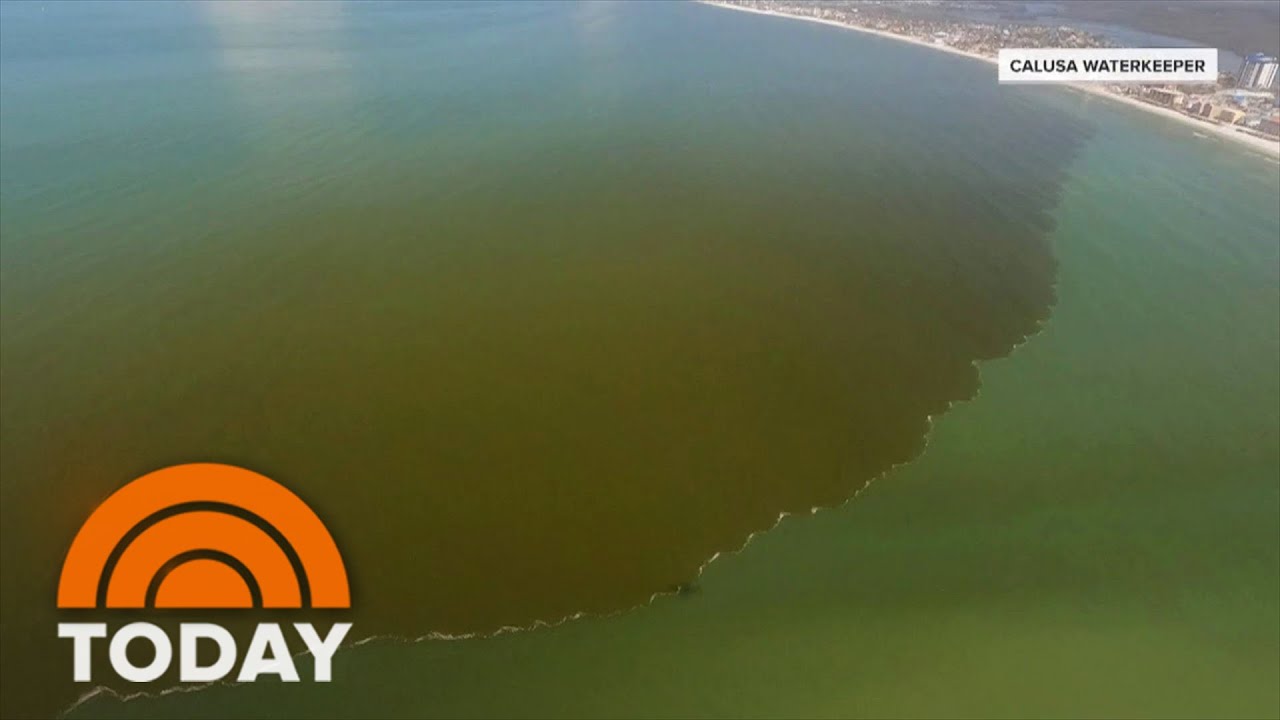
Red tide refers to a natural phenomenon that occurs when there is a rapid increase in the population of certain microscopic algae, particularly dinoflagellates, in the ocean. These algae contain pigments that give the water a reddish or brownish hue, hence the term "red tide." While not all red tides are harmful, some species of these algae can produce toxins that have detrimental effects on marine life and even human health. Red tide events can have a significant impact on the environment, fisheries, and coastal economies.
Understanding the causes of red tide
Red tide outbreaks are primarily fueled by several factors, including warm water temperatures, excess nutrients, and calm ocean currents. The warm waters provide an ideal environment for the growth and proliferation of the algae, while excessive nutrients, such as nitrogen and phosphorus from agricultural runoff or wastewater, act as fertilizers, promoting their growth further. Additionally, calm ocean currents limit the dispersal of the algae, allowing them to accumulate in certain areas and intensify.
Red tide occurrences worldwide
Red tide events are not restricted to any specific region and can occur in oceans around the world. Some of the most well-known red tide occurrences have been observed in coastal areas of the United States, such as Florida and California. However, they have also been reported in other parts of the world, including Australia, Chile, China, and the Philippines. The frequency, duration, and severity of red tide events can vary greatly from one location to another.
Impact of red tide on marine life
Red tide can have devastating consequences for marine life. The toxins produced by certain species of algae during red tide events can be harmful or even fatal to fish, shellfish, sea birds, marine mammals, and other aquatic organisms. These toxins can accumulate in the tissues of these animals, making them unsafe for consumption and leading to mass mortalities. Additionally, the depletion of oxygen in the water caused by the decay of dead algae can further exacerbate the negative effects on marine ecosystems.
Does Rhode Island experience red tide?
Yes, Rhode Island does experience red tide. Although not as frequent or severe as in some other regions, red tide events have occurred along the shores of Rhode Island, particularly in Narragansett Bay and nearby coastal areas. These events can impact local fisheries and recreational activities, posing risks to both marine life and public health.
Factors influencing red tide in Rhode Island
Several factors contribute to the occurrence of red tide in Rhode Island. The state’s relatively warm waters during the summer and fall seasons provide favorable conditions for the growth of harmful algae. Additionally, the influx of nutrients from various sources, such as urban runoff, agricultural activities, and wastewater discharges, can contribute to the development and persistence of red tide events. Oceanographic factors, including currents and tides, also play a role in determining the intensity and extent of red tide occurrences.
Historical evidence of red tide in Rhode Island
Red tide events have been recorded in Rhode Island for several decades. Historical data and scientific studies indicate sporadic episodes of red tide in the state, with varying levels of severity and duration. While the frequency of these events may not be as high as in some other regions, their occurrence highlights the need for ongoing monitoring and management efforts.
Monitoring red tide in Rhode Island
To monitor red tide occurrences in Rhode Island, several state and federal agencies, including the Rhode Island Department of Environmental Management (RIDEM) and the National Oceanic and Atmospheric Administration (NOAA), work collaboratively. These agencies collect water samples, monitor toxin levels, and conduct regular surveys to track the presence and spread of harmful algae in the state’s coastal waters. Monitoring efforts also involve the use of satellite imagery and real-time buoys to detect and predict red tide events.
Concerns regarding red tide in Rhode Island
Red tide events in Rhode Island pose significant concerns for both public health and the environment. The toxins produced by harmful algae can contaminate shellfish, making them unsafe for human consumption. Consequently, shellfish harvest areas may be temporarily closed to protect public health. The impact on the local fishing industry can be substantial, as closures and restrictions can lead to economic losses for fishermen and associated businesses. Moreover, the ecological consequences of red tide events can disrupt marine ecosystems and harm biodiversity.
Initiatives to combat red tide in Rhode Island
Rhode Island has implemented various initiatives to combat red tide and mitigate its impacts. These include improved wastewater treatment systems, enhanced nutrient management practices, and public awareness campaigns to educate residents and visitors about the risks associated with red tide. Additionally, research efforts are underway to better understand the causes and dynamics of red tide in Rhode Island, which can aid in developing more effective monitoring and management strategies.
How red tide affects Rhode Island’s economy
Red tide events can have a significant economic impact on Rhode Island. The state’s commercial and recreational fisheries, particularly those reliant on shellfish, can suffer due to closures and restrictions imposed during red tide events. This can lead to financial losses for fishermen, seafood businesses, and tourism-related industries. Furthermore, the negative perception of red tide and associated health risks may deter visitors, impacting the tourism sector. It is crucial for the state to address red tide effectively to safeguard the economy and preserve Rhode Island’s coastal resources.
Steps to stay informed about red tide in Rhode Island
To stay informed about red tide in Rhode Island, residents and visitors can access information from various sources. The RIDEM and NOAA regularly provide updates on red tide conditions, closures, and health advisories. Additionally, individuals can sign up for email alerts or follow social media accounts of relevant agencies to receive timely notifications. It is essential to heed any warnings, avoid consuming shellfish from closed areas during red tide events, and follow recommended guidelines to reduce potential health risks. By staying informed, individuals can protect their well-being and contribute to the overall efforts in managing red tide in Rhode Island.