
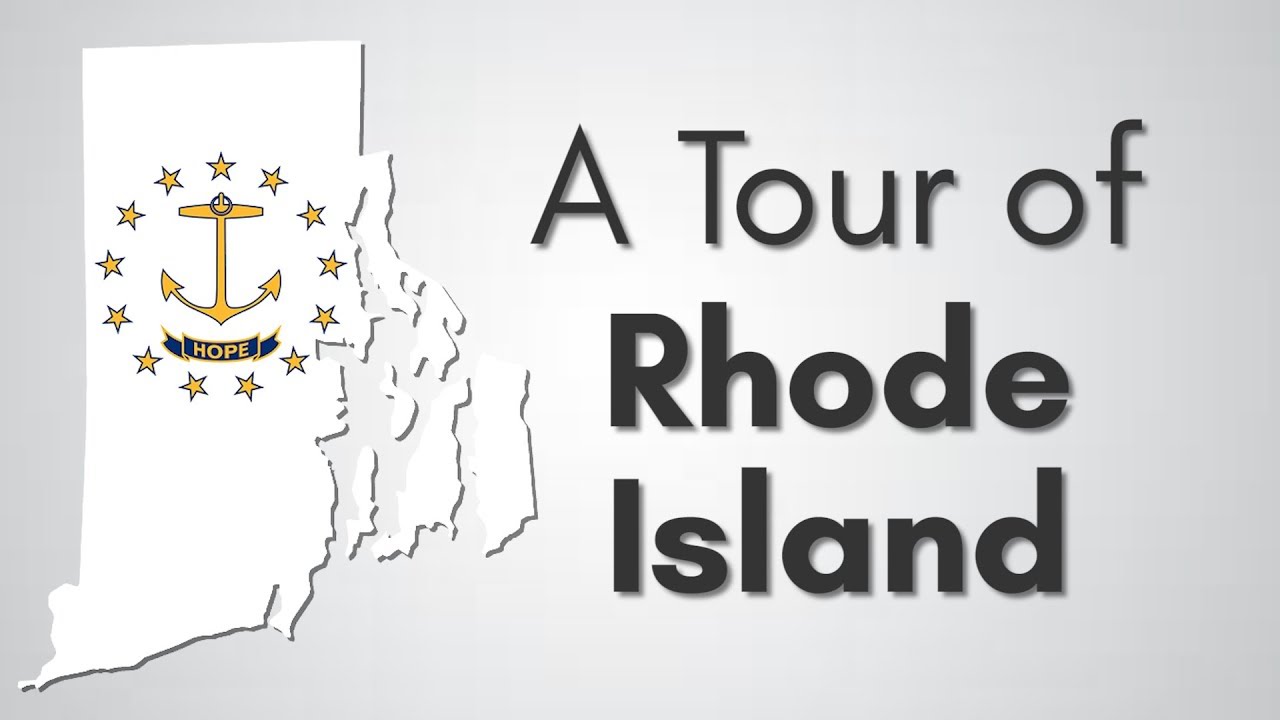
Rhode Island, the smallest state in the United States, may be diminutive in size, but it boasts a rich and diverse legacy. From its colonial history and contributions to the American Revolution to its unique geography and thriving tourism industry, Rhode Island has made significant contributions to American culture and history. This article explores the various aspects for which the state of Rhode Island is recognized.
Introduction to Rhode Island
Rhode Island, located in the New England region of the United States, is the smallest state in terms of land area. Despite its small size, it is densely populated and has a vibrant economy. With its picturesque coastline and rich history, Rhode Island is a popular tourist destination.
Historical Significance of Rhode Island
Rhode Island has a long and significant history dating back to the early colonial period. It was one of the thirteen original colonies that revolted against British rule, and its history is intertwined with the birth of the United States. The state played a pivotal role in the American Revolution and later became a hub of industrialization in the 19th century.
Rhode Island’s Colonial History
Rhode Island was founded by Roger Williams, a religious dissenter who sought a safe haven for religious freedom. In 1636, Williams established the settlement of Providence, which later became the capital of Rhode Island. The state’s colonial history is characterized by a commitment to religious tolerance and a belief in individual liberty, making it an important center for the development of democratic ideals.
The Birthplace of Religious Freedom
Rhode Island’s commitment to religious freedom is deeply rooted in its history. The state’s founding principles of religious tolerance and separation of church and state were groundbreaking for their time. In 1663, Rhode Island became the first colony to guarantee religious freedom to its residents through the Royal Charter granted by King Charles II.
Contributions to American Revolution
During the American Revolution, Rhode Island played a significant role in the fight for independence. The state’s strategic location and its strong maritime tradition made it a key player in the war efforts. Rhode Island was home to notable figures such as Nathanael Greene and Paul Revere, who made significant contributions to the American cause.
A Hub of Industrialization in the 19th Century
In the 19th century, Rhode Island became a hub of industrialization. The state’s proximity to waterways and its access to raw materials enabled the growth of industries such as textiles, manufacturing, and shipbuilding. Rhode Island’s industrial prowess was instrumental in shaping the economic landscape of the region and the nation.
Rhode Island’s Unique Geography and Landscape
Rhode Island’s geography and landscape contribute to its unique charm. The state is known for its beautiful coastline, dotted with picturesque lighthouses and sandy beaches. Additionally, Rhode Island is home to numerous islands, including Block Island and Conanicut Island, which offer stunning natural beauty and recreational opportunities.
Cultural and Artistic Heritage of Rhode Island
Rhode Island has a rich cultural and artistic heritage. The state is home to numerous theaters, museums, and art galleries that showcase its vibrant arts scene. From the famed Rhode Island School of Design (RISD) to the Newport Jazz Festival, the state has a thriving artistic community that has produced renowned artists and cultural events.
Renowned Educational Institutions in Rhode Island
Rhode Island is home to several renowned educational institutions. Brown University, an Ivy League institution located in Providence, is known for its rigorous academic programs and contributions to research. Other notable institutions include the Rhode Island School of Design (RISD) and the University of Rhode Island, which offer diverse educational opportunities.
Rhode Island’s Thriving Tourism Industry
Rhode Island’s unique blend of history, natural beauty, and cultural attractions has made it a popular tourist destination. The state attracts visitors from around the world who come to explore its historic sites, enjoy its beautiful beaches, and indulge in its vibrant culinary scene. The tourism industry plays a vital role in Rhode Island’s economy, providing employment opportunities and driving economic growth.
Notable People and Innovations from Rhode Island
Rhode Island has been the birthplace of many notable people and innovations. From the 18th-century philosopher and theologian Jonathan Edwards to the modern-day business magnate and philanthropist Alan Shawn Feinstein, the state has produced individuals who have made significant contributions to various fields. Additionally, Rhode Island has been a hub of innovation, with inventions such as the cotton gin and the steam engine originating from the state.
Conclusion: Rhode Island’s Diverse Legacy
Rhode Island’s small size belies its significant contributions to American culture, history, and industry. From its colonial history and commitment to religious freedom to its pivotal role in the American Revolution and industrialization, the state has left an indelible mark on the nation. Today, Rhode Island continues to thrive, drawing visitors with its unique geography, rich cultural heritage, and renowned educational institutions.