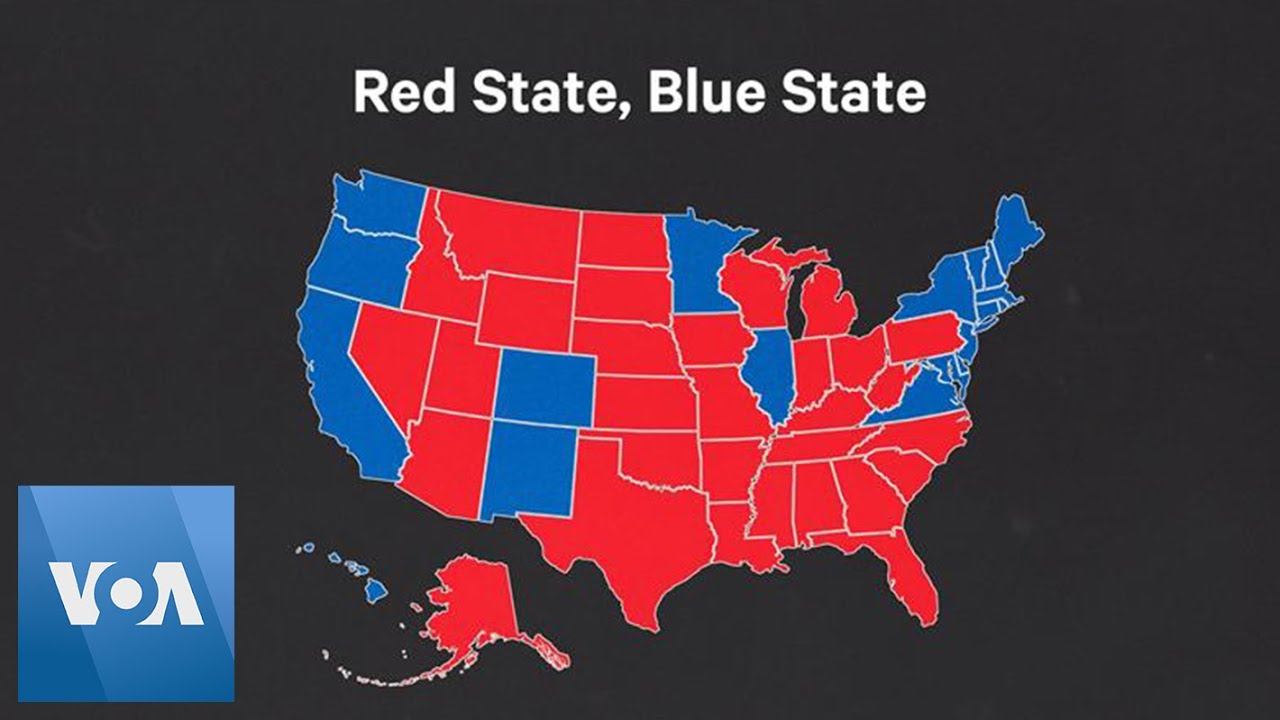
Introduction: The Classification of Rhode Island as Blue or Red State
Rhode Island, the smallest state in the United States, has often been classified as a blue state due to its historical voting patterns and political landscape. However, it is important to delve deeper into the factors that contribute to this classification and understand the complexities of Rhode Island’s political identity. This article aims to examine Rhode Island’s classification as a blue or red state, exploring historical voting patterns, demographics, economic indicators, and social factors that shape its political landscape.
Understanding Blue and Red States in the United States
Blue and red states are terms commonly used in American politics to categorize states based on their political leanings. Blue states generally lean towards the Democratic Party, while red states lean towards the Republican Party. This classification is often determined by analyzing state-level election results, voter registration, and party affiliation. It is important to note that political leanings can change over time, and states may shift from one classification to another.
Historical Voting Patterns in Rhode Island
Rhode Island has a long history of leaning towards the Democratic Party. Since the 1980s, the state has consistently voted for Democratic presidential candidates. This trend can be attributed to various factors, including the state’s urban areas that tend to lean liberal, as well as its historical ties to labor unions and progressive movements. However, it is essential to acknowledge that Rhode Island has also elected Republican governors in the past, highlighting the complexity of its political landscape.
Rhode Island’s Political Landscape: An Overview
Rhode Island’s political landscape is characterized by a strong Democratic presence. The state has a predominantly Democratic legislature, with Democrats holding the majority of seats in both the Rhode Island House of Representatives and the Senate. Additionally, the state’s congressional delegation is composed entirely of Democrats. However, there are pockets of Republican support in certain districts, showcasing the diversity and nuanced political affiliations within the state.
Factors Influencing Rhode Island’s Political Affiliation
Several factors contribute to Rhode Island’s classification as a blue state. One significant influence is the state’s progressive policies, such as support for LGBTQ+ rights, environmental initiatives, and healthcare reform. Additionally, Rhode Island’s strong union presence and labor-friendly policies align with the Democratic Party’s platform. The state’s historical ties to immigration, diversity, and social justice movements also contribute to its blue-leaning tendencies.
Demographics: A Key Component in Determining Political Leanings
Demographics play a crucial role in shaping Rhode Island’s political affiliations. The state has a relatively diverse population, with a higher proportion of urban residents compared to rural areas. Urban centers, such as Providence, tend to lean towards the Democratic Party due to their younger, more diverse populations and progressive values. However, it is essential to note that rural areas in Rhode Island may exhibit more conservative-leaning tendencies, highlighting the diversity within the state.
Voting Trends: How Rhode Island Aligns with Blue States
Rhode Island’s voting patterns align with those of other blue states in the country. The state consistently supports Democratic presidential candidates and has a history of electing Democrats to various statewide positions. This alignment is often attributed to shared values and policy preferences, such as support for social welfare programs, reproductive rights, and progressive taxation. Rhode Island’s voting trends reflect its alignment with the broader political landscape of blue states.
Economic Indicators and Political Preferences in Rhode Island
Economic indicators also contribute to Rhode Island’s political preferences. The state has faced economic challenges in recent decades, including high unemployment rates and slow economic growth. As a result, voters may turn to policies advocated by the Democratic Party, such as increased government intervention, job creation, and support for small businesses. These economic factors may further solidify the state’s classification as a blue state.
Social and Cultural Factors Shaping Rhode Island’s Political Identity
Rhode Island’s social and cultural context has influenced its political identity. The state has a long history of progressive activism, including its involvement in the abolitionist movement and women’s suffrage. This legacy has fostered a liberal political climate, with a focus on social justice issues and civil rights. Rhode Island’s progressive stance on social issues contributes to its classification as a blue state and shapes the priorities of its political leaders.
Rhode Island’s Role in National Elections
Despite its small size and limited number of electoral votes, Rhode Island plays a significant role in national elections. As a consistently blue state, Rhode Island is often considered a stronghold for the Democratic Party. This allows Democratic candidates to focus their campaign efforts and resources on more competitive states. However, the state’s small population means that its impact on the overall outcome of national elections is relatively limited.
The Impact of Party Affiliation on Rhode Island’s Policies
Party affiliation in Rhode Island has a significant impact on the state’s policies. The dominant Democratic Party influences legislation and policy decisions, leading to the implementation of progressive initiatives. These policies include investments in education, healthcare, and renewable energy, as well as efforts to address income inequality and social justice issues. Republican voices in Rhode Island, although in the minority, play a role in shaping policy debates and offering alternative perspectives.
Conclusion: Rhode Island’s Political Identity and Future Prospects
Rhode Island’s classification as a blue state stems from its historical voting patterns, demographics, social and cultural factors, and economic indicators. The state’s progressive policies, alignment with blue states on various issues, and strong Democratic presence contribute to its political identity. However, it is important to recognize that Rhode Island’s political landscape is not monolithic, with pockets of Republican support and diverse political affiliations. While the state’s future prospects may continue to lean towards the Democratic Party, Rhode Island’s dynamic political environment allows for ongoing political discourse and potential shifts in political affiliation.