Introduction: Exploring the Size of Rhode Island
Located in the northeastern region of the United States, Rhode Island is often known as the Ocean State due to its extensive coastline. However, what truly distinguishes this state is its reputation as the tiniest state in the country. In this article, we will delve into the dimensions of Rhode Island and explore its significance in terms of land area and population density. Despite its small size, Rhode Island has much to offer, from its historical context and landmarks to its economic potential and transportation infrastructure. Join us as we uncover the various facets of Rhode Island’s size and its impact on the state’s development and identity.
Defining Size: A Closer Look at State Dimensions
When it comes to determining the size of a state, two primary factors are considered: land area and population density. Land area refers to the total surface area occupied by a state, while population density measures the number of individuals residing in a specific area. In the case of Rhode Island, both these factors contribute to its reputation as the smallest state in the United States.
Rhode Island: A Compact State in the Northeast
Rhode Island spans an area of approximately 1,214 square miles, making it the smallest state in the country in terms of land area. Nestled in the northeastern part of the United States, Rhode Island is bounded by Connecticut to the west and Massachusetts to the north and east. Despite its small size, this state is densely packed with a rich history, natural beauty, and vibrant cities.
Historical Context: Rhode Island’s Creation and Boundaries
Rhode Island’s diminutive size can be traced back to its creation and historical context. Established in 1636, Rhode Island was initially a small colony founded by Roger Williams, who sought religious freedom. Over time, its boundaries were defined, resulting in its compact size. Its unique shape, resembling a rectangle with rounded corners, further contributes to its distinction.
Comparative Analysis: Rhode Island vs. Other States
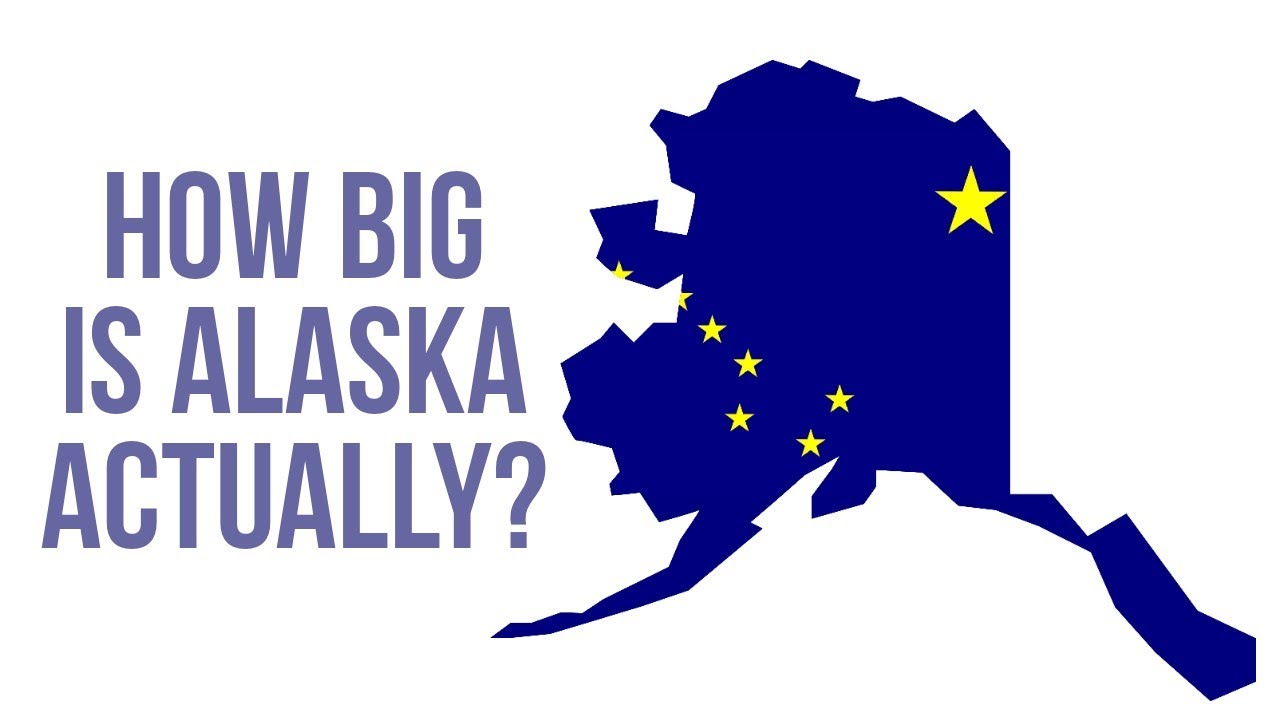
To better comprehend Rhode Island’s size, it is helpful to compare it with other states. In terms of land area, the smallest state, Rhode Island, pales in comparison to the largest state, Alaska, which spans over 665,000 square miles. Furthermore, Rhode Island is roughly 1/40th the size of the average U.S. state. These comparisons highlight the exceptional compactness of Rhode Island.
Population Density: The Impact of Limited Land Area
While Rhode Island may be small in terms of land area, it boasts a relatively high population density. With an estimated population of over one million inhabitants, Rhode Island is the second-most densely populated state in the country, surpassed only by New Jersey. Its limited land area and growing population have led to the development of bustling urban centers and a vibrant culture.
Landmarks and Attractions: Maximizing Limited Space
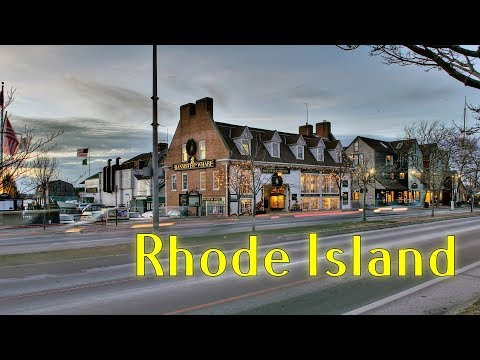
Despite its size, Rhode Island manages to pack a punch in terms of landmarks and attractions. From the iconic Newport Mansions to the historic city of Providence, this tiny state boasts a rich cultural heritage. Additionally, Rhode Island’s coastline offers scenic vistas and picturesque beaches, attracting tourists from around the world. The state’s small size allows visitors to conveniently explore various attractions within a short distance.
Economic Potential: Challenges and Opportunities
Rhode Island’s small size poses both challenges and opportunities in terms of economic potential. While limited land area restricts the establishment of large industries, the state capitalizes on its strengths, such as tourism, education, and healthcare. Providence, the largest city in Rhode Island, serves as a hub for education and innovation, with renowned universities and a thriving creative sector.
Transportation Infrastructure: Efficient Connections
Rhode Island’s transportation infrastructure plays a crucial role in connecting various parts of the state. Despite its size, Rhode Island boasts an extensive road network, facilitating convenient travel within the state and to neighboring regions. Additionally, the state has efficient public transportation systems, including buses and trains, ensuring smooth connectivity and reducing the impact of limited land area.
Urban vs. Rural: The Distribution of Rhode Island’s Land
Rhode Island’s small size has resulted in a pronounced urban concentration. Most of the state’s land is densely developed, with a majority of the population residing in urban areas. However, Rhode Island still retains pockets of rural landscapes, particularly in the western and southern parts of the state. The distribution of land highlights the delicate balance between urban development and preserving natural areas.
Environmental Considerations: Preserving the State’s Resources
Preserving the state’s resources is a significant concern for Rhode Island due to its limited land area. The state government has taken measures to protect its natural beauty, including the establishment of state parks and conservation areas. Additionally, Rhode Island promotes sustainable practices, such as renewable energy initiatives and coastal management programs, to mitigate the impact of its small size on the environment.
Conclusion: Examining the Significance of Rhode Island’s Size
Rhode Island’s size, while small in terms of land area, encompasses a multitude of facets that contribute to its unique identity. Despite the challenges posed by its limited land, Rhode Island maximizes its potential through economic diversification, efficient transportation infrastructure, and the preservation of its natural resources. The state’s size also allows for a close-knit community and convenient access to a variety of landmarks and attractions. In essence, Rhode Island proves that size is not the sole determinant of a state’s significance, as it continues to flourish and make its mark on the northeastern region of the United States.