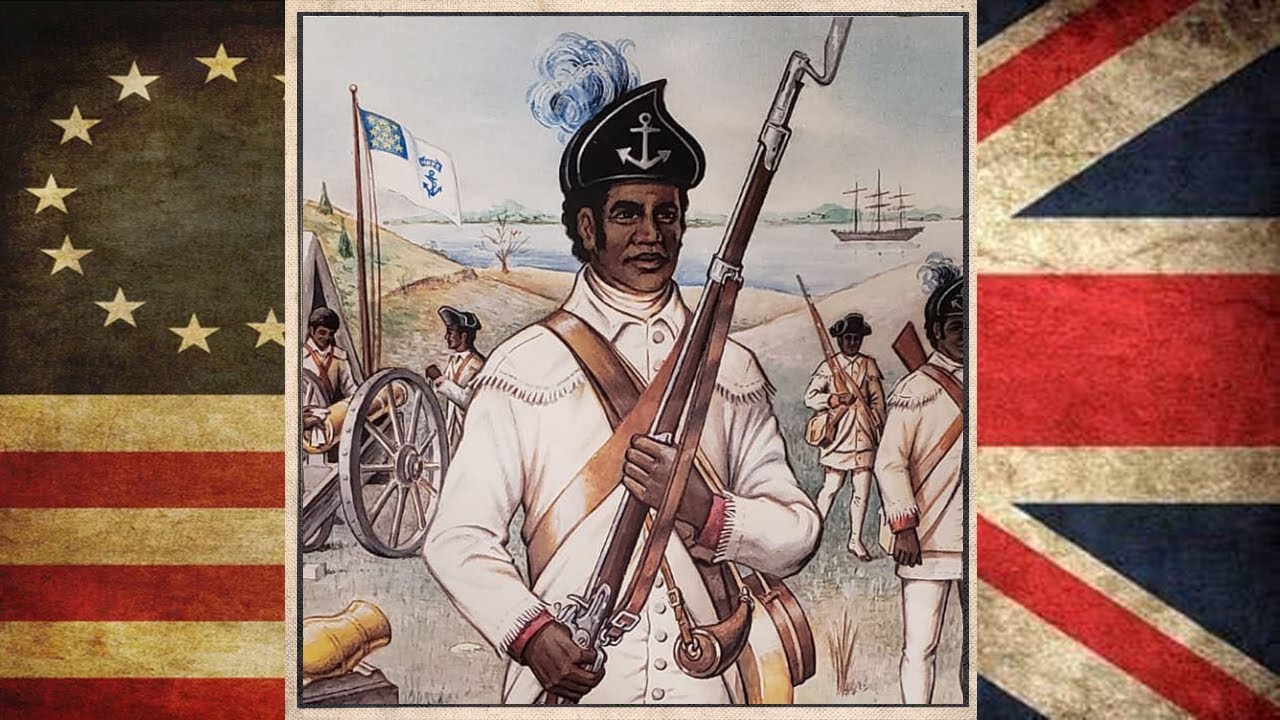
Introduction to the Militia in Rhode Island
The establishment of the militia played a crucial role in the early history of Rhode Island. Prior to the American Revolution, Rhode Island had already recognized the importance of a well-regulated militia system. The militia served as a local defense force, protecting the colony from external threats and maintaining internal order. This article aims to explore the history and significance of the militia in Rhode Island before the American Revolution.
Early Colonial Times: Establishment of Militia
Rhode Island’s militia can be traced back to its early colonial times. In 1683, the Rhode Island General Assembly passed a law requiring the formation of a militia, making it one of the first colonies to establish such a system. The primary purpose of this militia was to defend the colony against potential attacks from Native American tribes and neighboring European colonies.
Role of Militia in Pre-Revolutionary Rhode Island
The militia in pre-Revolutionary Rhode Island played a vital role in maintaining peace and order within the colony. They were responsible for handling various tasks, including patrolling the streets, enforcing laws, and conducting investigations. In times of conflict, the militia also acted as a defensive force, protecting the colony from potential invasions.
Militia Organization and Structure
The militia in Rhode Island was organized at both the town and colony levels. Each town had its own militia company, while the colony had a central militia committee overseeing the overall defense strategy. The militia companies were composed of able-bodied men within the town, who were required to serve and train regularly. The structure ensured a well-coordinated defense system that could respond swiftly to any threats.
Training and Drill Practices of the Militia
Training and drill practices were fundamental aspects of the militia’s operation in Rhode Island. Training sessions were held regularly, aiming to equip the militia members with essential military skills. These sessions included marching drills, marksmanship practice, and tactical exercises. The militia’s commitment to training played a significant role in maintaining their readiness for potential conflicts.
Militia’s Role in Defending Rhode Island
The militia in Rhode Island actively participated in the defense of the colony. During the French and Indian War, they assisted in the protection of Rhode Island’s coastline and were deployed to other colonies to support their efforts. The militia’s role became even more critical during the American Revolution when they played a vital part in defending Rhode Island against British forces.
Militia Acts and Laws in Rhode Island
Rhode Island implemented several militia acts and laws to regulate the militia system. These acts established the requirements for militia membership, outlined the duties of militia members, and provided guidelines for the appointment of officers. The legislation also ensured that the militia was adequately equipped and maintained a state of readiness for any potential conflicts.
Public Reaction and Support for Militia
The militia enjoyed significant public support in Rhode Island. Many citizens recognized the importance of a well-regulated defense system and willingly joined the militia companies. Public sentiment towards the militia was generally positive, as it represented the collective effort to ensure the safety and security of the colony.
Notable Figures in Rhode Island’s Militia
Rhode Island’s militia boasted several notable figures who played pivotal roles in its history. One such figure was Nathanael Greene, who rose through the ranks to become a major general in the Continental Army during the American Revolution. Greene’s experience and leadership skills, honed in the Rhode Island militia, proved instrumental in the success of the Continental Army.
Militia’s Involvement in Early Conflicts
The Rhode Island militia actively participated in various conflicts leading up to the American Revolution. During the French and Indian War, they joined forces with other colonies to combat French and Native American forces. They also played a significant role in suppressing occasional uprisings, such as the Dorr Rebellion in the early 1840s, where the militia was called upon to restore order.
Challenges Faced by the Rhode Island Militia
Like other militias of the era, the Rhode Island militia faced several challenges. Limited resources and funding made it difficult to maintain a fully equipped and well-trained force. Additionally, coordinating actions and responses between different militia companies proved challenging, particularly during times of crisis. Despite these challenges, the militia continued to fulfill its duty to protect the colony.
Legacy of the Rhode Island Militia
The legacy of the Rhode Island militia is significant in the history of the state. The commitment to defending the colony, both in times of peace and conflict, fostered a sense of unity and pride among Rhode Islanders. The militia system served as a foundation for the development of the state’s military capabilities, leaving a lasting impact on the subsequent formation of the Rhode Island National Guard and its continuing role in the nation’s defense.