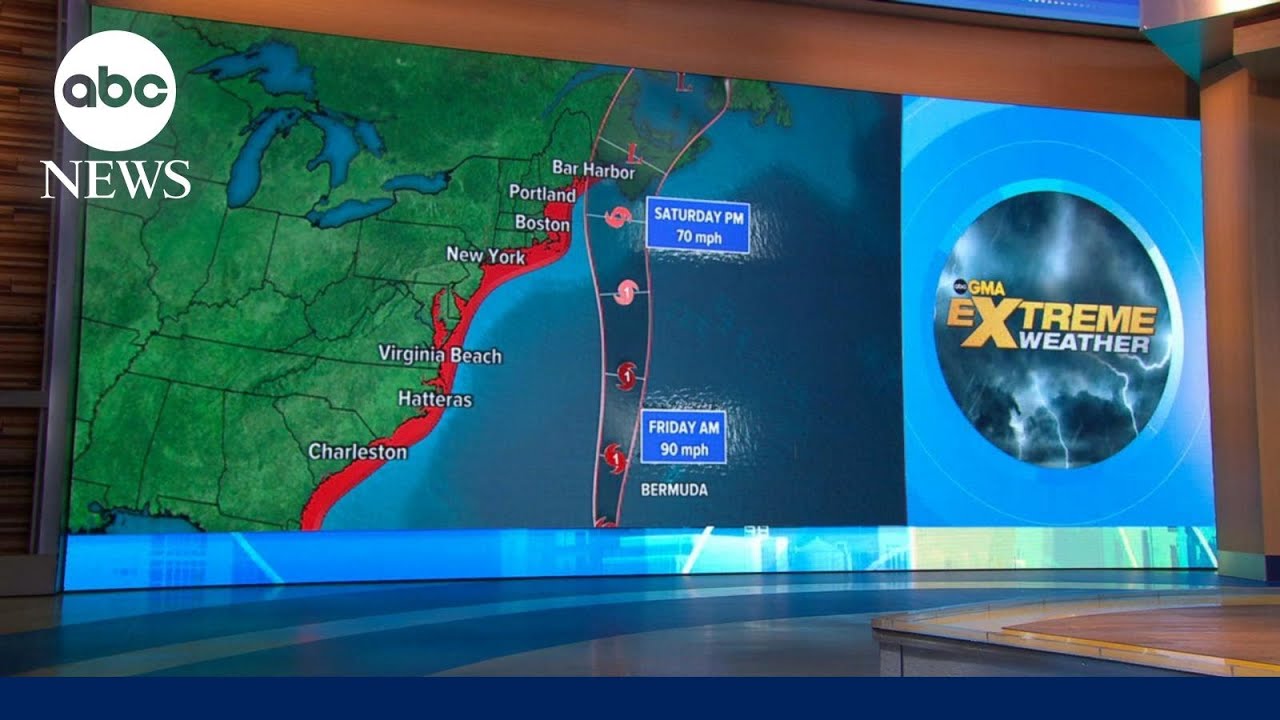
Understanding Rhode Island’s Hurricane History
Rhode Island, a state located in the northeastern United States, has a coastline that stretches approximately 40 miles along the Atlantic Ocean. This coastal location makes Rhode Island susceptible to the impact of hurricanes. Over the years, the state has experienced several hurricane events, some of which have caused significant damage and loss of life.
Historically, Rhode Island has been affected by hurricanes, with notable events in the past century including the New England Hurricane of 1938 and Hurricane Carol in 1954. These powerful storms left devastation in their wake, causing extensive flooding, property damage, and loss of life. While Rhode Island has not experienced a direct hit from a major hurricane in recent years, the threat of a hurricane remains a concern for the state.
Factors That Influence Hurricane Occurrence
The occurrence of hurricanes is influenced by a variety of factors. One key factor is the location of Rhode Island within the Atlantic hurricane basin. Rhode Island lies in an area where hurricanes often form or pass through on their way northward along the coast. The warm waters of the Gulf Stream also contribute to the formation and intensification of hurricanes in this region.
Another important factor is the prevailing weather patterns. Atmospheric conditions, such as the presence of low-pressure systems and the interaction between different air masses, can create an environment conducive to hurricane development. Additionally, the jet stream and other atmospheric patterns can influence the track and intensity of hurricanes as they approach Rhode Island.
The Impact of Climate Change on Hurricane Frequency
The impact of climate change on hurricane frequency is a topic of ongoing scientific research. While it is difficult to attribute individual storms or specific events to climate change, there is evidence to suggest that warmer sea surface temperatures and changes in atmospheric conditions could lead to an increase in hurricane activity.
Warmer ocean temperatures provide the energy that fuels hurricanes, making them more intense and long-lasting. Additionally, changes in atmospheric conditions, such as increased moisture and instability, can create a more favorable environment for hurricane development. These factors, combined with rising sea levels, could make Rhode Island more vulnerable to the impacts of hurricanes in the future.
Rhode Island’s Vulnerability to Hurricane Damage
Rhode Island’s coastal location and low-lying geography make it particularly vulnerable to the impacts of hurricanes. The state’s numerous bays, inlets, and estuaries are susceptible to storm surge, which can cause extensive flooding and erosion along the coast. Strong winds associated with hurricanes can also lead to significant property damage and power outages.
In addition to the physical vulnerabilities, Rhode Island’s economy is heavily reliant on tourism and coastal industries. The destruction caused by hurricanes can have long-lasting economic consequences, affecting businesses and livelihoods in the state. Recognizing these vulnerabilities, Rhode Island has taken proactive steps to mitigate the potential impact of hurricanes.
Preparedness Measures Implemented by Rhode Island
Rhode Island has implemented a range of preparedness measures to enhance its resilience to hurricanes. These measures include the development of comprehensive emergency response plans and the establishment of evacuation routes and shelters. The state also conducts regular drills and exercises to test its readiness and improve coordination between emergency management agencies.
In recent years, Rhode Island has focused on enhancing public awareness and education regarding hurricane preparedness. This includes providing information on storm tracking, evacuation procedures, and emergency supplies. The state has also emphasized the importance of individual preparedness, urging residents to create emergency kits, secure their homes, and stay informed during hurricane events.
Meteorological Tools for Tracking Hurricanes
Advances in meteorological technology have greatly improved the ability to track hurricanes and predict their paths. Rhode Island benefits from these advancements through the use of tools such as weather satellites, radar systems, and computer models. These tools provide meteorologists with real-time data on the location, intensity, and movement of hurricanes, enabling more accurate forecasts and timely warnings.
The National Hurricane Center (NHC), a division of the National Weather Service, plays a critical role in tracking and monitoring hurricanes. The NHC issues regular updates and advisories, providing valuable information to government agencies, emergency managers, and the public. Rhode Island’s emergency management agencies closely monitor these updates to make informed decisions regarding evacuation and response efforts.
The Role of Government in Hurricane Response
The government plays a crucial role in coordinating and managing the response to hurricanes in Rhode Island. The state’s Emergency Management Agency (EMA) works closely with local, state, and federal agencies to ensure a coordinated and effective response. The EMA provides support in areas such as evacuation planning, resource allocation, and post-disaster recovery efforts.
In the event of a hurricane, the governor may declare a state of emergency, activating the state’s emergency response plan. This allows for the mobilization of resources, including personnel, equipment, and supplies, to assist affected communities. The government also plays a vital role in disseminating information and providing guidance to residents before, during, and after a hurricane.
Community Engagement in Hurricane Preparedness
Community engagement is essential for effective hurricane preparedness. Rhode Island encourages residents, businesses, and community organizations to play an active role in preparing for hurricanes. This includes participating in community outreach programs, attending educational workshops, and joining local emergency planning committees.
Efforts are also made to ensure that vulnerable populations, such as the elderly, disabled, and low-income individuals, have access to the necessary resources and support during hurricanes. Community members are encouraged to develop personal emergency plans, establish communication networks, and assist neighbors in need.
Lessons Learned from Past Hurricane Events
Rhode Island has learned valuable lessons from past hurricane events, which have shaped its approach to preparedness and response. These events have highlighted the importance of early warning systems, effective evacuation procedures, and robust infrastructure to withstand hurricane impacts. They have also emphasized the need for ongoing public education and awareness campaigns.
Following past hurricanes, Rhode Island has made improvements to its emergency response capabilities and infrastructure. This includes strengthening building codes, enhancing coastal defenses, and implementing measures to reduce flood risk. The state’s collaboration with federal agencies and neighboring states has also improved, enabling a more coordinated and efficient response to future hurricanes.
Rhode Island’s Evolving Approach to Hurricane Preparedness
Rhode Island’s approach to hurricane preparedness continues to evolve in response to changing conditions and new challenges. The state recognizes the need to adapt and innovate in order to effectively protect its residents and minimize the impacts of hurricanes. This includes investing in research and technology, updating emergency plans, and engaging in regional and national initiatives to address climate change and its potential influence on hurricanes.
Rhode Island also places a strong emphasis on post-hurricane recovery and resilience-building. Efforts are made to expedite the restoration of critical infrastructure, support affected communities, and implement measures to reduce future risks. By taking a comprehensive and proactive approach to hurricane preparedness, Rhode Island aims to enhance its resilience and minimize the impact of future hurricane events.
Conclusion: Preparing for the Next Hurricane
While Rhode Island has not experienced a major hurricane in recent years, the threat of a hurricane remains a constant concern for the state. Understanding Rhode Island’s hurricane history, the factors that influence hurricane occurrence, and the impact of climate change is crucial for effective preparedness and response efforts.
Rhode Island’s vulnerability to hurricane damage, coupled with its proactive approach to preparedness, highlights the importance of community engagement and government coordination. By leveraging meteorological tools, implementing preparedness measures, and learning from past experiences, Rhode Island is working towards enhancing its resilience and preparing for the next hurricane.
As climate change continues to reshape our environment, Rhode Island’s evolving approach to hurricane preparedness will serve as a valuable model for other coastal states. By prioritizing public safety, investing in infrastructure, and fostering community resilience, Rhode Island is taking proactive steps to mitigate the potential impact of hurricanes and ensure the well-being of its residents.