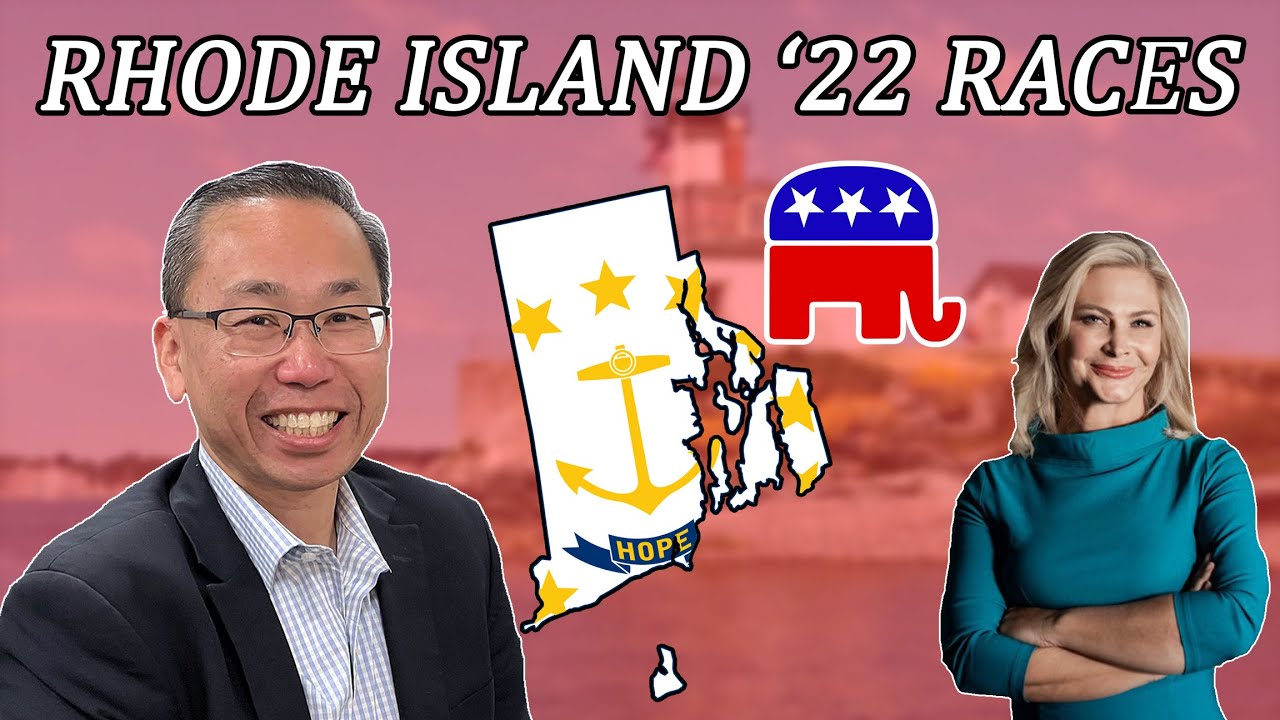
Introduction to Rhode Island’s Political Landscape
Rhode Island, also known as the Ocean State, is the smallest state in the United States. Despite its small size, the state has a diverse political landscape that has evolved over time. Understanding the political leanings of Rhode Island is crucial in assessing whether it can be considered a red state.
Definition of a Red State and Its Characteristics
A red state is a term commonly used in the United States to refer to states that predominantly vote for Republican candidates in national elections. These states are characterized by a conservative political ideology, which often aligns with traditional values, limited government intervention, and a strong emphasis on individual freedoms.
Political Party Dominance in Rhode Island
Rhode Island has historically leaned towards the Democratic Party, making it a predominantly blue state. Democrats have consistently held a significant advantage in voter registration and have dominated the state’s political landscape. However, it is important to analyze the historical voting patterns and recent trends to fully understand Rhode Island’s political alignment.
Historical Voting Patterns in Rhode Island
For several decades, Rhode Island has favored Democratic candidates in presidential elections. The state last voted for a Republican presidential candidate in 1984, when it supported Ronald Reagan’s re-election campaign. Since then, Democrats have won every presidential election in Rhode Island, often by a significant margin.
Rhode Island’s Electoral Votes in Recent Presidential Elections
Rhode Island has four electoral votes, a relatively small number compared to larger states. In recent presidential elections, these electoral votes have consistently gone to the Democratic candidate. In the 2020 election, for example, Rhode Island supported Joe Biden, the Democratic nominee, with a comfortable margin of victory.
Analysis of Rhode Island’s Political Alignment
Based on the historical voting patterns and the dominance of the Democratic Party, Rhode Island can be considered a solid blue state. The state’s residents have consistently favored Democratic candidates in both local and national elections, indicating a strong alignment with liberal principles and values.
Factors Affecting Rhode Island’s Political Leanings
Several factors contribute to Rhode Island’s political leanings. One significant factor is the state’s urban and densely populated areas, which tend to vote more Democratic. Additionally, Rhode Island has a high percentage of college-educated residents, and higher education levels often correlate with Democratic voting patterns.
Comparison of Rhode Island’s Voting Trends with Red States
When comparing Rhode Island’s voting trends with red states, it becomes evident that the state differs significantly in its political leanings. Red states generally have a higher concentration of conservative voters and tend to prioritize issues such as gun rights, limited government, and lower taxes. Rhode Island’s political landscape, on the other hand, is characterized by more progressive policies and a focus on social issues.
Influence of Demographic Changes on Rhode Island’s Politics
Demographic changes can play a significant role in shaping Rhode Island’s politics. The state has experienced an increase in diversity, with growing populations of Hispanic, Asian, and African American residents. These demographic shifts can introduce new political perspectives and potentially impact the state’s political landscape.
Public Opinion and Party Affiliations in Rhode Island
Public opinion polls and party affiliations further confirm Rhode Island’s status as a blue state. Polls consistently show a majority of Rhode Islanders identifying as Democrats or leaning towards the Democratic Party. This alignment with Democratic values is reflected in the state’s policy priorities and political representation.
Redistricting and its Impact on Rhode Island’s Politics
Redistricting, the process of redrawing electoral district boundaries, can have a significant impact on Rhode Island’s politics. The state’s political landscape can potentially shift if district lines are redrawn to favor one party over another. Redistricting can either reinforce the dominance of the Democratic Party or create opportunities for Republicans to gain more influence.
Conclusion: Evaluating Rhode Island’s Status as a Red State
While Rhode Island has a diverse political landscape, it is clear that the state is predominantly blue. Democrats have consistently held the upper hand in elections, and the state’s policy priorities align with liberal values. Factors such as historical voting patterns, demographic changes, and public opinion all indicate Rhode Island’s strong affiliation with the Democratic Party. However, it is important to remain attentive to any potential shifts in the state’s political alignment as demographics and public sentiment evolve over time.